
Is Meghalaya Safe? The Real Risks and How to Handle Them
· 8 min read · By Tripsiana Team
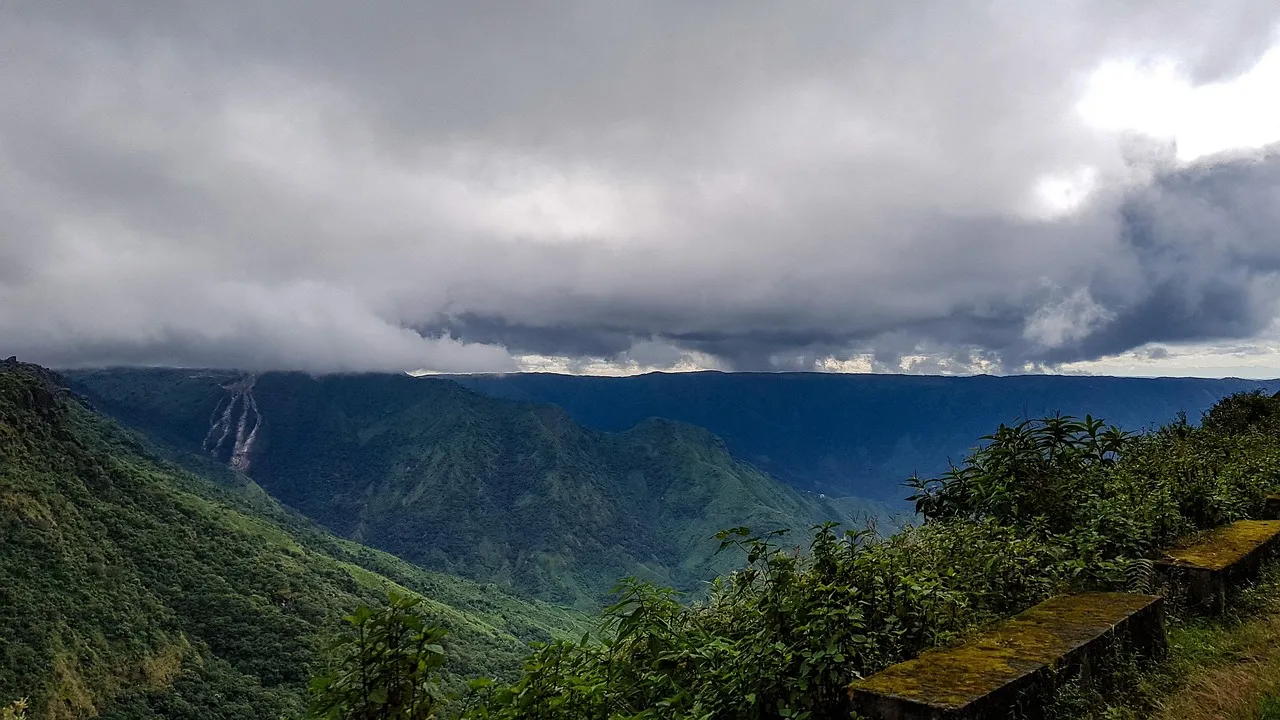
Yes. Meghalaya is generally considered one of the safer states in India to travel, including for families and for women on their own. The risks that do matter here are physical rather than personal: hill roads after dark, monsoon landslides, wet stone steps and water that's deeper than it looks. Nearly all of them come down to season and timing, and nearly all can be avoided.
The roads
This is the biggest risk on any Meghalaya trip, and it's mostly about driving after dark.
The Guwahati to Shillong highway is a good road. Beyond Shillong, the roads to Sohra, Dawki and Jowai are narrow, twisting and barely lit, and fog can come down over the Sohra road in minutes. In winter the sun sets around 4:30pm. An itinerary built without that in mind puts you on a mountain road in the dark, usually at the end of a long day.
Finish long drives in daylight. On a first visit, hire a driver who knows these roads rather than driving yourself. And don't accept a plan where the last leg of the day runs past sunset. Our solo women's route schedules every long transfer in daylight as a fixed rule; we'd apply the same rule to anyone.
Monsoon: landslides and closed roads
Between June and September, heavy rain brings landslides and road closures, especially on the Shillong to Sohra road, the Jowai to Dawki road, and most of the Garo Hills. The state tourism department's own advice is to check the daily forecast and "pay attention to warnings of heavy rains and landslides."
That doesn't make monsoon unsafe. It means building slack into the plan, accepting that a road may be shut on the day you wanted it, and never driving through heavy rain at night. The waterfalls are at their biggest in exactly these months, and plenty of people come anyway and have a fine time.
The treks
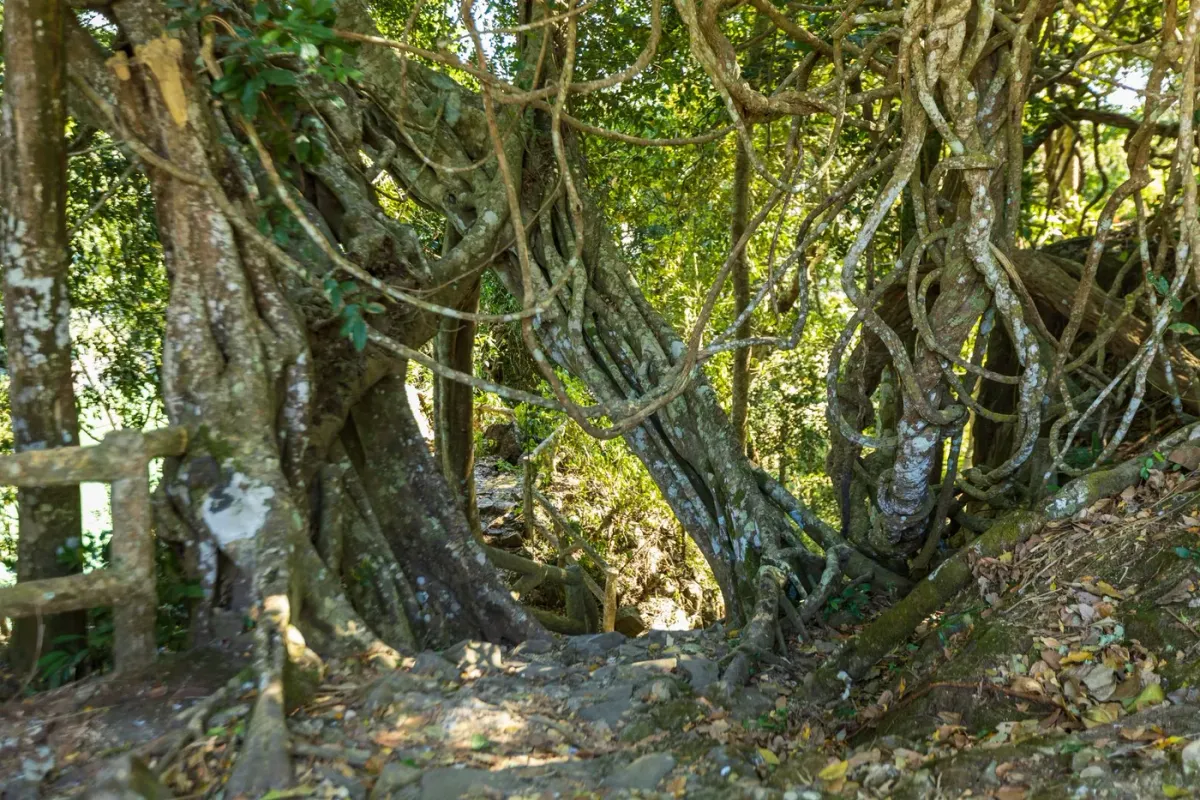
Two treks account for most of the trouble, and both are about season.
Nongriat and the double decker root bridge. About 3,500 steps down and the same back up, usually two to three hours descending and three to four climbing out. In the dry months it's hard work but straightforward. In monsoon the stone is wet and mossy, leeches are common, and the river under the two steel suspension bridges runs high and fast. Between June and September we only take fit adults down, always with a local guide, and never children, elderly travellers or anyone with bad knees. Travelling with either? See Meghalaya with family for the easy alternative. Staying the night at Nongriat is safer than a day return, because you aren't climbing out exhausted in the afternoon rain.
The Mawryngkhang bamboo trek. A walkway of bamboo poles strung above a river gorge at Wahkhen. In the dry season it's a thrill. In monsoon, with the poles wet and the river swollen underneath, it's the one trek we refuse outright.
The rest is simpler. Mawsmai and Arwah caves are short, lit and safe all year, though Mawsmai has a couple of tight squeezes. The stairway down to Wei Sawdong is steep. The David Scott Trail is a lovely walk from October to April and a muddy, leech-heavy slog in the rains.
Water
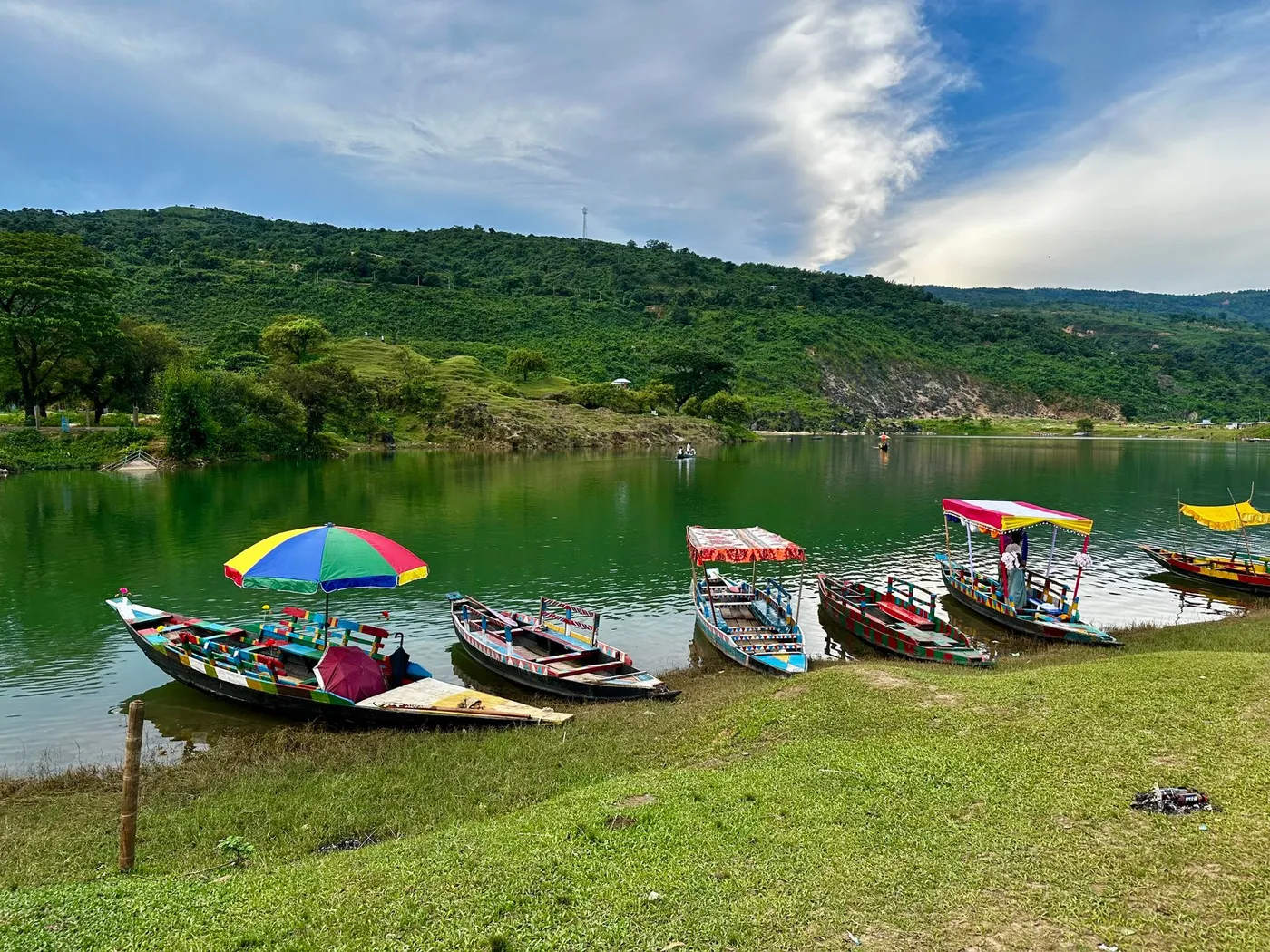
The Umngot at Dawki is so clear that people badly misjudge how deep it is. Wear the life jacket the boatman hands you. At high water in monsoon, boating is suspended; don't go looking for someone willing to take you out anyway.
At Krang Suri, the pool is fine for swimming from October to February. From June to August, don't swim in it at all.
Women travelling alone
Khasi, Jaintia and Garo society is matrilineal: lineage, property and the family name pass through the mother, and women run a large share of the shops, markets and homestays across the state. The usual sensible precautions still apply, and there's a fuller picture in the solo travel guide.
Health, and how remote it gets
Altitude isn't a factor.
Shillong sits at about 1,500 metres and Sohra at a similar height, well below the level where altitude sickness begins. This isn't Ladakh, and you don't need to acclimatise.
Remoteness is a factor. Shillong has good hospitals, including NEIGRIHMS, one of the region's major medical institutes. Down in the Nongriat valley, though, there's no road at all, and anyone who can't walk out has to be carried. Carry your own basic medicines, tell your operator about any medical condition before you travel, and don't assume there's a pharmacy at every stop.
Cash and signal
Carry cash. ATMs outside Shillong are unreliable, and many homestays, boatmen and small restaurants take nothing else. UPI works in the towns but not dependably near the Bangladesh border or down in the valleys.
Mobile signal gets patchy away from towns and disappears entirely in the Nongriat valley. Tell someone your plan for the day before you go down.
The border at Dawki
Dawki sits on the India and Bangladesh border, and the BSF is present. Carry government photo ID, follow any instruction about where photographs aren't allowed, and don't treat the boundary pillars as a prop.
The Assam and Meghalaya taxi issue
In August 2026 a dispute between taxi associations in Assam and Meghalaya, after violence in Shillong on 19 August, briefly stopped Assam-registered tourist cars at the border. The two state governments settled it within a week and set up a joint committee for future disputes, and traffic is moving again. If it worries you, travel in a Meghalaya-registered vehicle with a local driver. The details are in getting around Meghalaya.
Three decisions
Most of what goes wrong on a Meghalaya trip traces back to three decisions: when you go, whether you drive yourself, and whether the plan leaves you on a hill road after dark. Get those three right and the rest is ordinary travel sense.
If you're unsure about a particular trek in a particular month, ask us before you book. We'd rather talk you out of the wrong trek than meet you at the bottom of it.
Planning a trip to Meghalaya?
Tell us what you have in mind and a Tripsiana travel expert will craft a custom itinerary, no spam, no pressure.
Explore
Meghalaya packages
from ₹21,000
More reads
 Travel Tips
Meghalaya in December: Cold, Clear and Booked Out by Christmas
The driest, clearest month of the year, and the worst one for waterfalls. What December delivers, what it doesn't, and when you need to book.
5 October 2026 · 7 min read
Read more →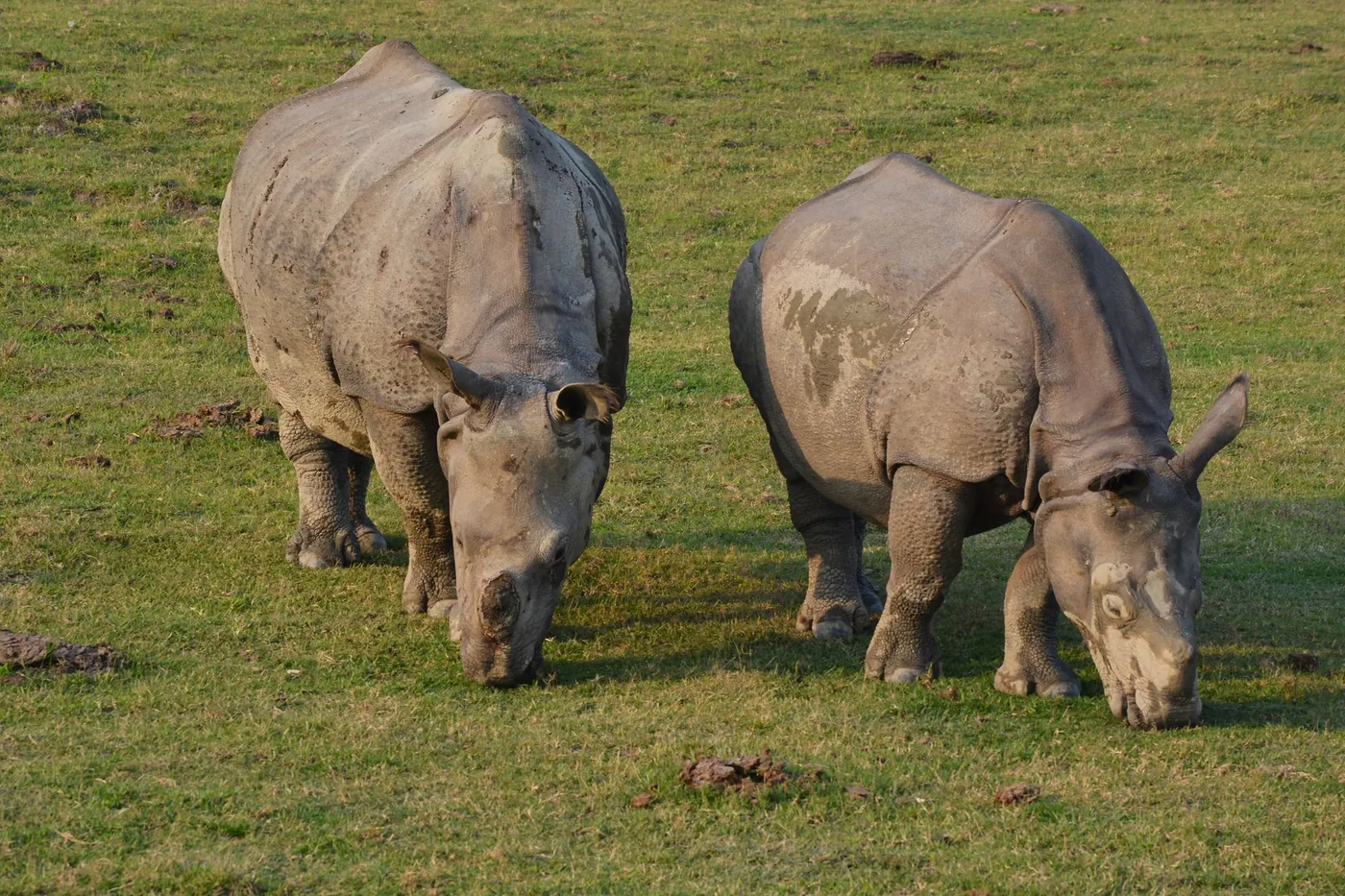 Travel Tips
Kaziranga with Meghalaya: Dates, Safari Slots and How to Fit It In
Kaziranga opens on 1 November and closes on 31 May. When it earns its two days on a Meghalaya trip, which jeep slot to book, and when to leave it out.
5 October 2026 · 7 min read
Read more → Travel Tips
Guwahati to Shillong: Distance, Drive Time and Every Way to Get There
About 100 km and three hours on a good highway. The route, the bus and shared-taxi options, and why your flight time matters more than the road.
5 October 2026 · 6 min read
Read more →