
Spiti Valley in Winter: Snow Leopards, Silence & Survival Tips
· 7 min read · By Tripsiana Team
Thinking of Spiti in the snow? Visiting Spiti Valley in winter (roughly November to March) is a serious, rewarding adventure — think temperatures of -20°C to -30°C, frozen waterfalls, near-empty villages, and the best chance in the world to spot a snow leopard. But it's only reachable via the Shimla side, facilities are basic, and it's not a trip for casual first-timers. Here's what to expect.
What Spiti is like in winter
Winter strips Spiti down to its raw, silent essence. Days can be bright and blue but bitterly cold; nights plunge well below freezing. Water pipes freeze, some homestays close, and the whole valley slows to the rhythm of a handful of local families. In return you get landscapes of snow-dusted monasteries and frozen rivers, and a stillness summer visitors never see.
Getting there in winter
This is critical: the Manali–Kaza road is closed in winter because the Kunzum Pass is buried in snow. The only way in is the longer Shimla–Kinnaur route (via Reckong Peo and Nako), and even that can face temporary blocks after heavy snowfall. Plan extra buffer days, travel with an experienced local driver, and never attempt the winter roads in a hurry.
Golden rule: In winter, keep your itinerary flexible. Roads can close for a day or two after snow, and forcing the schedule is how trips go wrong at altitude.
Snow leopard expeditions
The single biggest reason people brave a Spiti winter is the snow leopard. Around Kibber and the Pin Valley, the big cats descend to lower slopes to hunt blue sheep and ibex, making February and March the prime spotting months. Expeditions are patient, cold work with local spotters and scopes — but a sighting is a once-in-a-lifetime moment.
What else to see & do
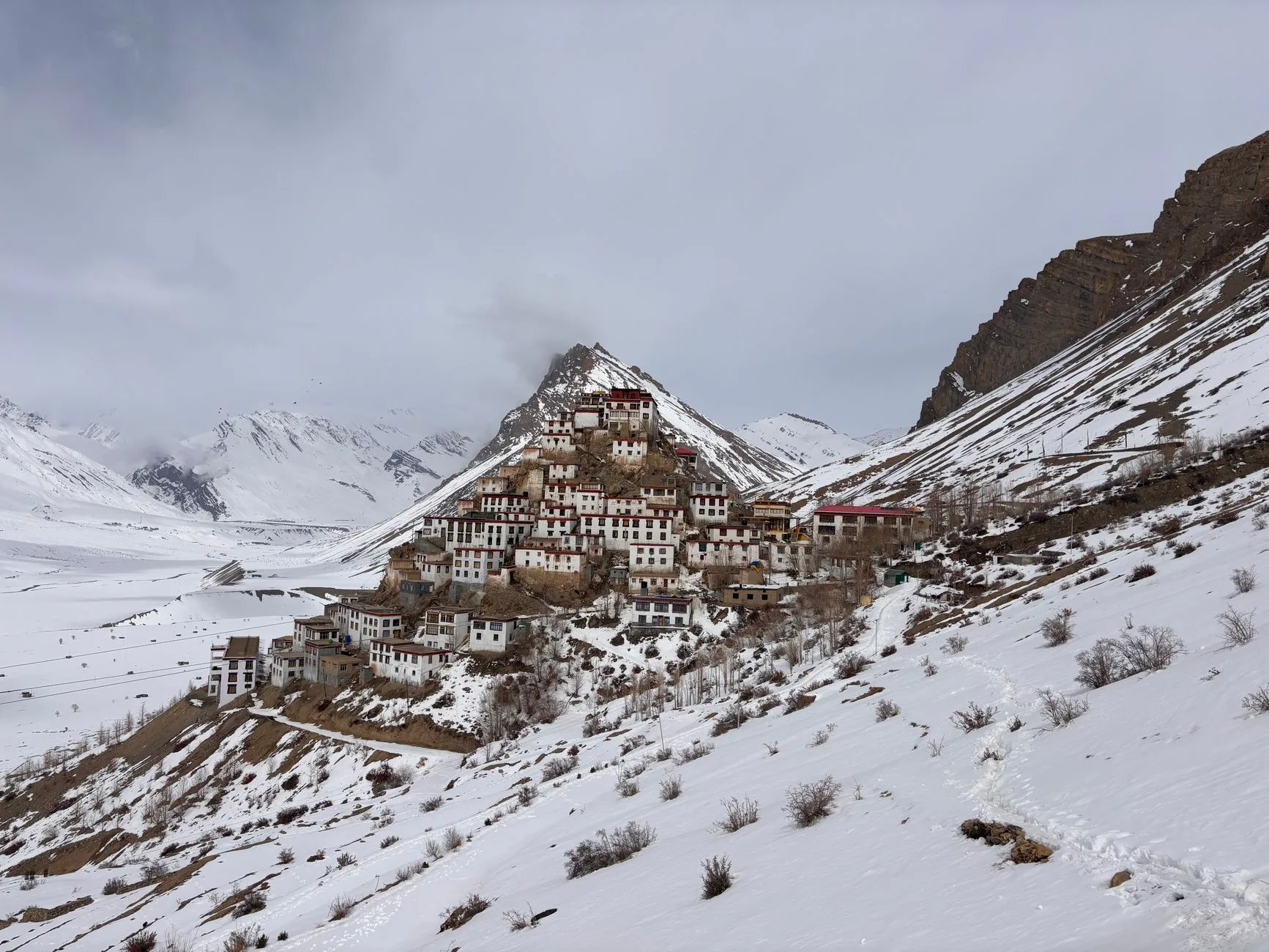
- Photograph Key Monastery and Kibber under snow — utterly different from the summer postcards.
- Watch frozen waterfalls and the half-frozen Spiti river.
- Share long evenings around a bukhari (wood stove) with a homestay family.
- Experience local winter festivals and daily monastery life without a single tour bus in sight.
Staying warm
Most winter visitors stay in homestays heated by a bukhari, often sleeping in a single warm common room. Electricity and mobile network are patchy, hot water is limited, and you'll want a good sleeping-bag liner even indoors. It's rustic — that's the point.
What to pack for winter Spiti
- Heavy down jacket, thermals (top and bottom), fleece mid-layers
- Insulated, waterproof boots and thick woollen socks
- Woollen cap, balaclava, insulated gloves
- -20°C-rated sleeping bag or a warm liner
- High-SPF sunscreen and sunglasses (snow glare is intense)
- Power bank (cold drains batteries fast) and cash — ATMs are unreliable
Is a winter trip right for you?
Go in winter if you're reasonably fit, comfortable with cold and basic facilities, and drawn to snow leopards, photography and solitude. If it's your first time at high altitude or you want comfort and the full circuit including Chandratal, visit in summer instead — see the best time to visit Spiti guide. Still deciding between destinations? Read Spiti vs Ladakh, and when you're ready, explore our Spiti Valley packages — we'll tailor the pace and stays to the season.
Planning a trip to Spiti Valley?
Tell us what you have in mind and a Tripsiana travel expert will craft a custom itinerary, no spam, no pressure.
Explore
Spiti Valley packages
More reads
 Destination Tips
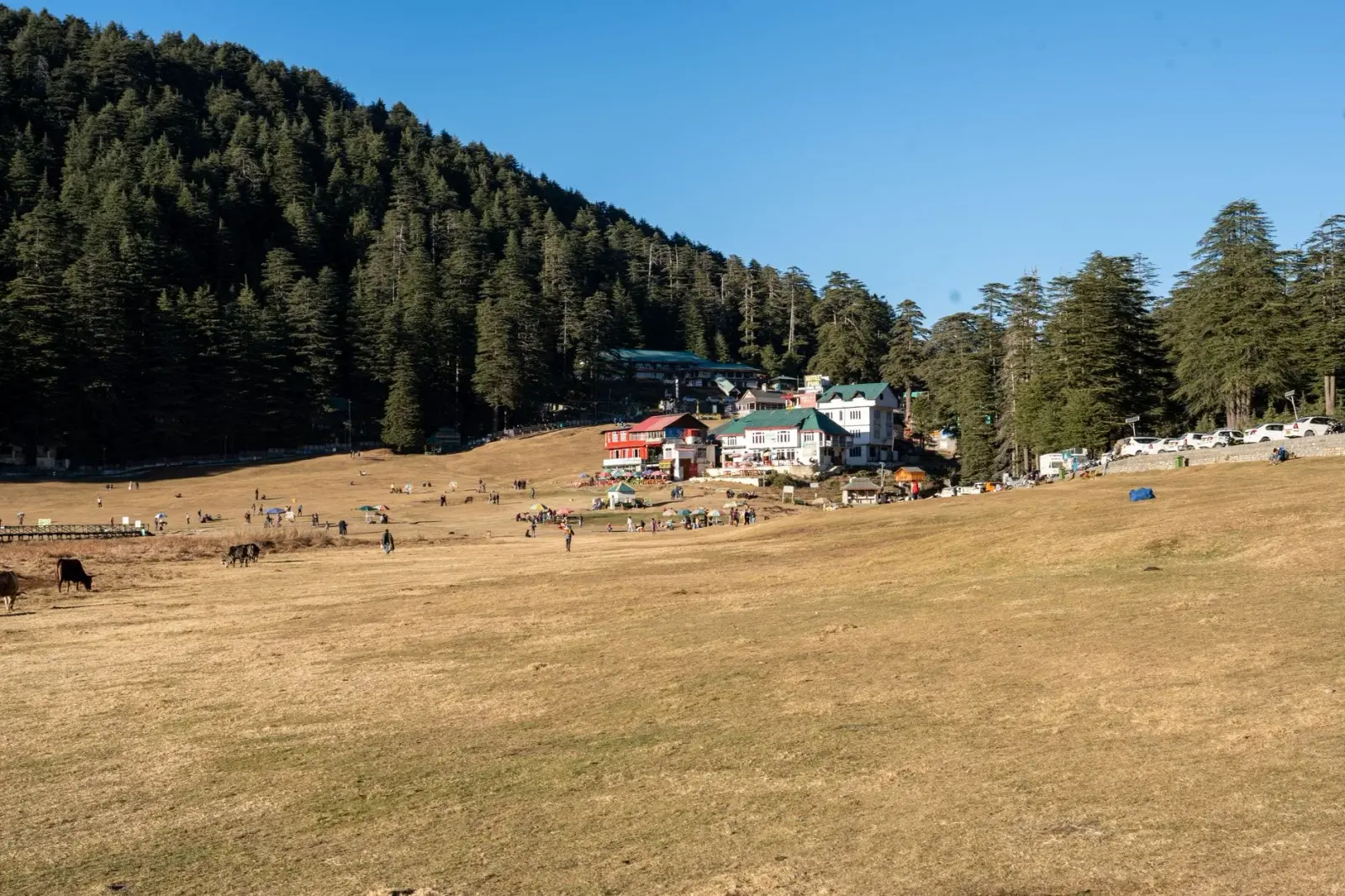
Himachal in Winter: Snow, Skiing & Where to Go
December to February brings snow to Shimla, Manali and Solang, plus skiing at Solang and Narkanda. Where it snows, what to do and what to pack.
10 July 2026 · 6 min read
Read more →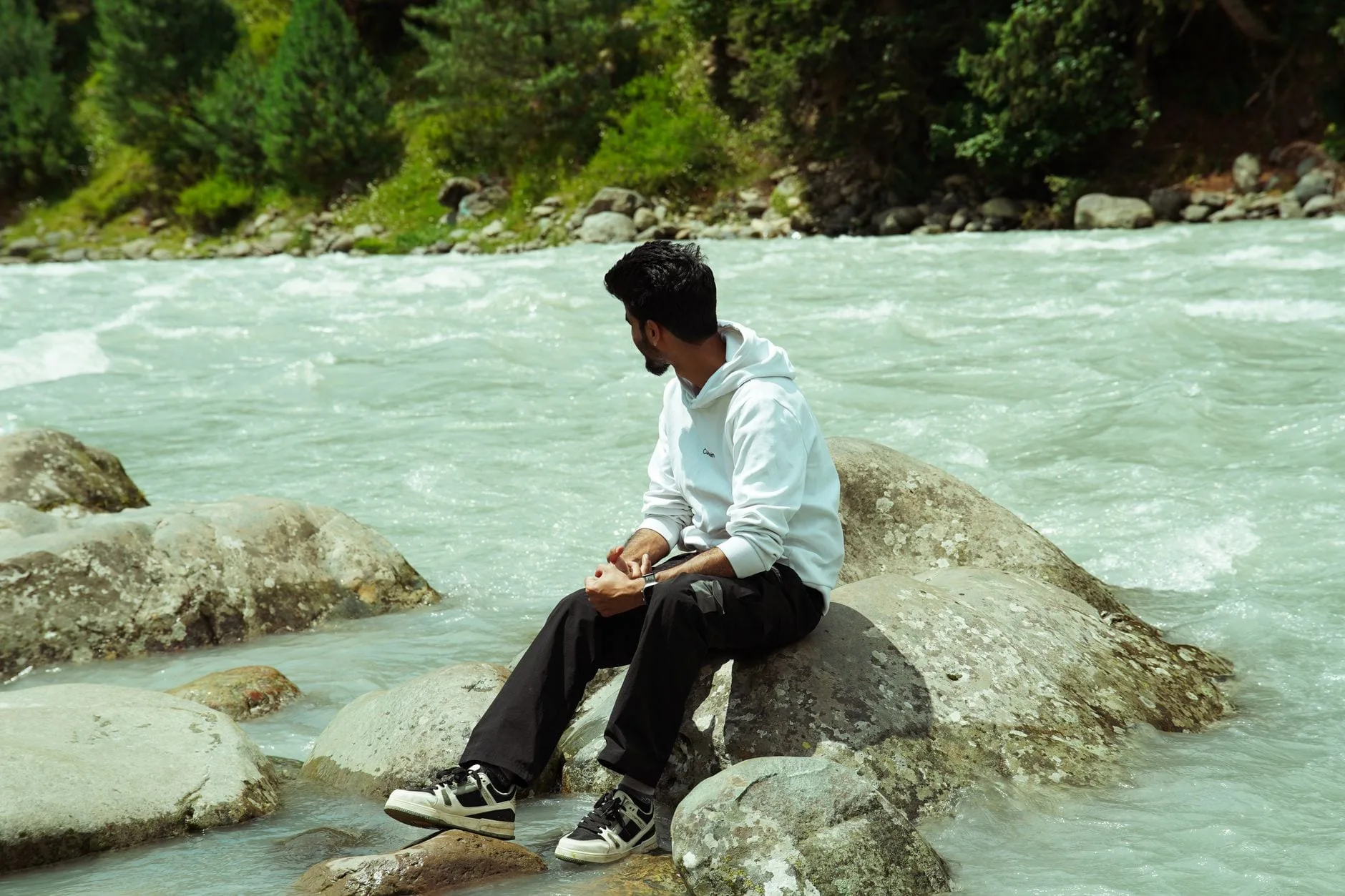 Destination Tips
Kashmir in Winter: Gulmarg Skiing, Snow & What to Expect
December to February turns Kashmir into a snow paradise — Gulmarg skiing, a frozen Dal, and cosy houseboats. What to see, road closures and packing.
10 July 2026 · 6 min read
Read more → Destination Tips
Ladakh Packing List: What to Actually Carry (and What to Leave Behind)
A practical Ladakh packing list, altitude essentials, a layering system for 30°C afternoons and 5°C nights, must-have documents, and what you can buy locally.
8 June 2026 · 5 min read
Read more →