
Ladakh Packing List: What to Actually Carry (and What to Leave Behind)
· 5 min read · By Tripsiana Team
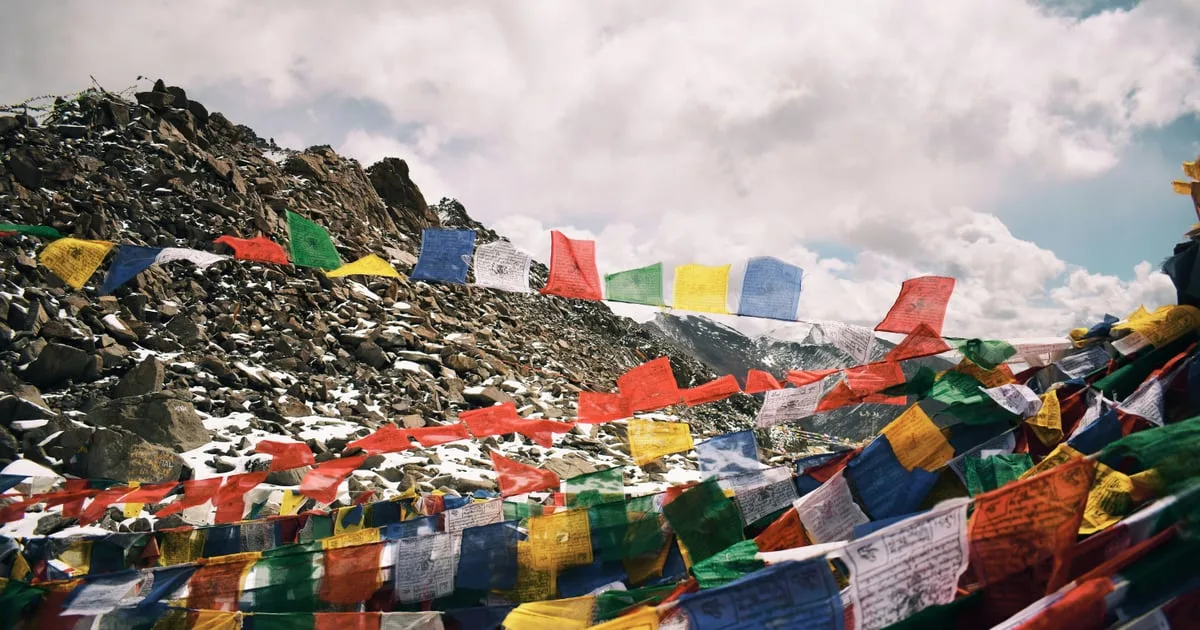
Packing for Ladakh requires a different approach from any other Indian hill destination. At 3,500 m above sea level and above, weather changes fast, UV radiation is significantly stronger than at the plains, and infrastructure in remote areas is limited. This Ladakh packing list cuts through the noise, no "pack 14 T-shirts just in case", just the specific items that will make a real difference on the ground.
The Non-Negotiables: Altitude Health
Altitude Medication
This comes before clothes. Diamox (Acetazolamide) is the standard prophylactic for altitude sickness (Acute Mountain Sickness, AMS). Typical dose: 125 mg twice a day, starting the day before arriving in Leh. Consult your doctor before taking it, it is contraindicated for people with sulfa allergies, and your doctor may adjust the dose.
Also carry:
- Disprin or Aspirin, for altitude headaches (avoid Ibuprofen initially at altitude)
- ORS sachets, staying well-hydrated is the simplest AMS prevention
- Pulse oximeter, ₹800-1,200 on Amazon or Flipkart; check your SpO2 (blood oxygen) after arriving and again the next morning
A reading of 80-90% is normal for Leh. Below 75% with breathlessness at rest means descend immediately, not tomorrow, immediately.
Important: Do not push through altitude sickness hoping it will improve. If you are vomiting, increasingly breathless, or confused, the only treatment is descending to a lower altitude.
Sun Protection
UV radiation at 3,500 m is 25-50% more intense than at sea level. You will burn faster than you expect, including on overcast days.
- Sunscreen SPF 50+ (broad-spectrum, not SPF 30). Reapply every 2 hours outdoors. Bring a large tube (100 ml+) from home, quality and stock vary in Leh.
- Sunglasses, UV400 (polarised preferred). Essential, not optional. Snow blindness is a real risk on high passes and at the lakes.
- Lip balm with SPF. Lips crack and bleed at altitude, especially on motorbike days. Bring two.
Clothing: Build Around Layers
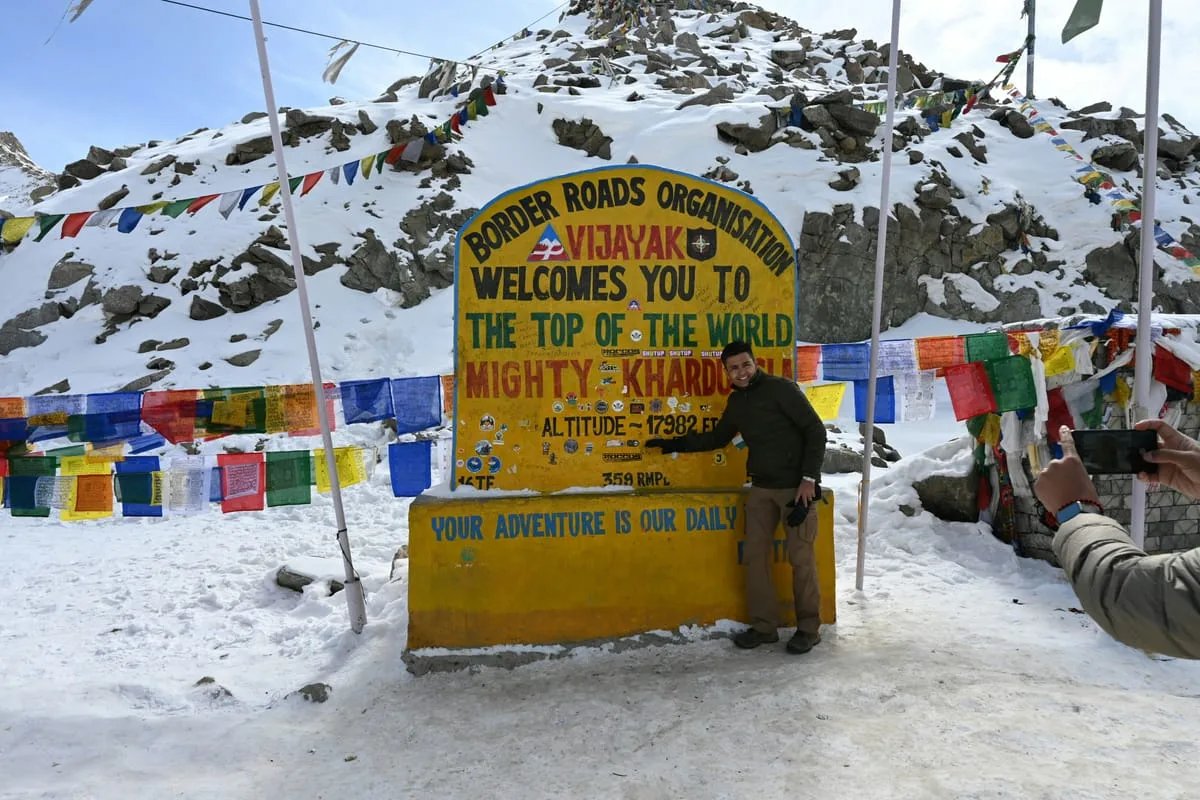
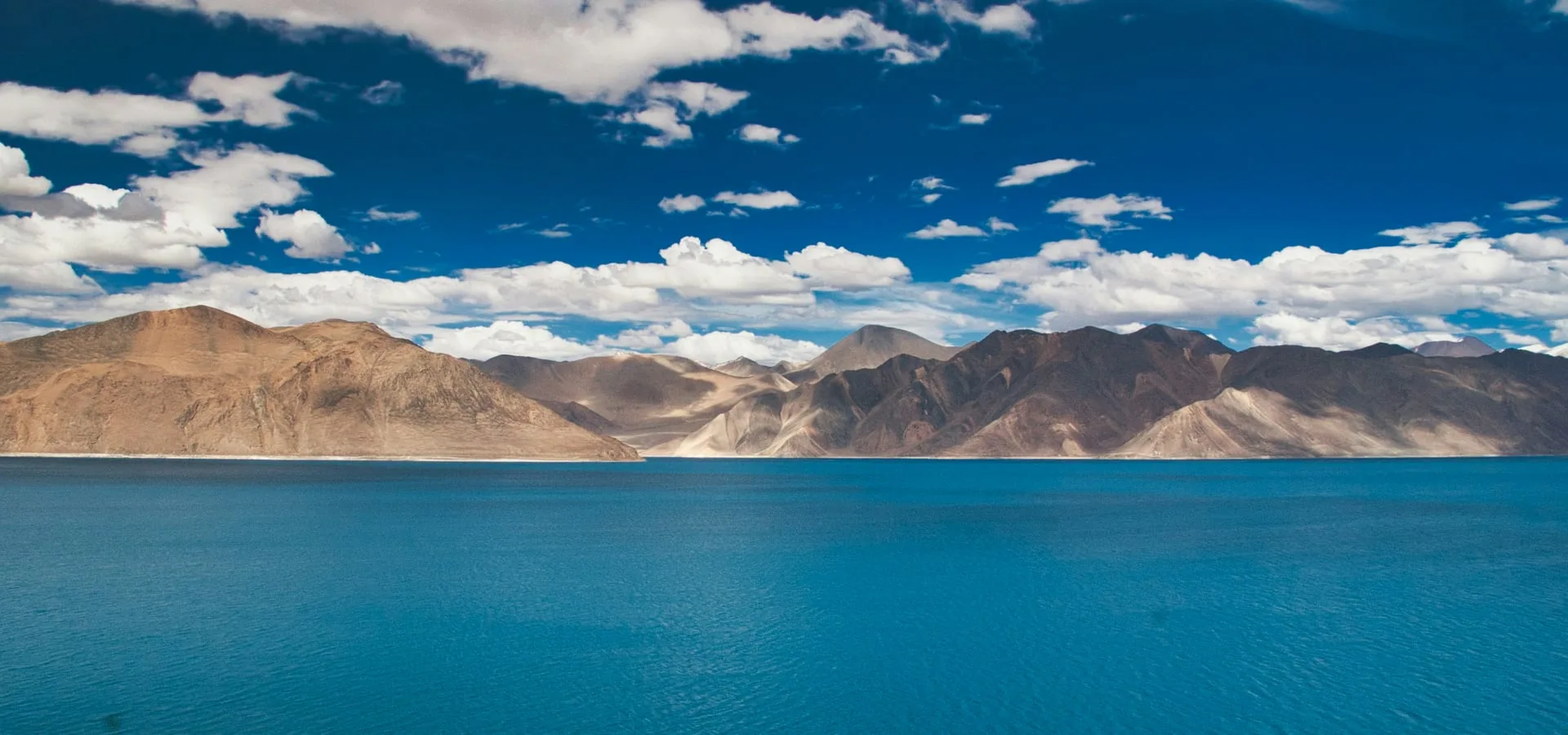
Leh in July can hit 30°C at 2 PM and drop to 8°C at 8 PM. At Khardung La or Chang La it is 10-12°C colder than Leh. At a Pangong campsite in August, nights are 3-5°C. One set of layers handles all of this:
Base (3-4 items): Moisture-wicking T-shirts, polyester or merino wool. Avoid cotton; it holds moisture and feels cold when damp.
Mid layer: A fleece or light down jacket. Worn in the evenings and at high passes.
Outer layer (wind/rain shell): A thin, packable windproof jacket, even if not fully waterproof, it blocks cold wind on open passes and lake shores.
Heavy layer: A proper insulated down jacket. This is the item most commonly regretted leaving behind. Pack it even in July.
Bottoms: 2 pairs of trekking trousers (convertible zip-offs are practical). One pair of jeans at most, they are heavy, slow to dry, and uncomfortable at altitude.
Thermals (1 set, top + bottom): Wear under everything at high passes, campsites, and on October or shoulder-season trips.
Socks (4-5 pairs): Merino wool socks are genuinely worth buying before you go.
Footwear: Waterproof trekking shoes or trail runners, broken in before you travel, not new from the box.
Hat and gloves: Wide-brim sun hat for long drives; warm beanie for evenings and passes. Thin liner gloves for July-August; insulated gloves for October onwards.
Neck gaiter or buff: Protects against cold wind and road dust on open-vehicle days. Lightweight and earns its packing space.
Documents and Money
Must-carry documents:
- Aadhaar card or passport, required for hotel check-in and Inner Line Permit applications
- Inner Line Permit, apply online before you travel (jktourism.gov.in); print and save a digital copy
- Flight tickets or bus bookings, a printed backup plus the e-copy
- Emergency contact card, write it down on paper; don't rely only on your phone
Cash: Leh has ATMs on the main bazaar road, but they run out of cash during peak season and may not accept all cards. Before leaving for multi-day circuits to Pangong, Nubra, or Tso Moriri, carry ₹10,000-15,000 in cash. UPI works in Leh town but not at most village guesthouses or remote campsites.
Toiletries and Personal Health Kit
- Sunscreen (take more than you think)
- Moisturiser (skin gets extremely dry at altitude, face and hands)
- Lip balm with SPF (two)
- Wet wipes (essential in areas where hot water is unreliable)
- Hand sanitiser
- Personal prescription medicines
Emergency kit: Diamox, Disprin, Ibuprofen, ORS sachets, antacid tablets, Dettol, plasters, wound tape, bandage.
Leh's main bazaar pharmacy stocks Diamox, ORS, and common medicines. But don't rely on finding a specific brand you need. Bring what you require.
Gear for Road Trips and Long Circuits
Power bank (20,000 mAh+): Charging at remote guesthouses and campsites is unreliable. A large power bank covers 2-3 days of phone and camera use without grid access.
Dry bag or ziplock bags: Protect documents and electronics on wet mountain days or river-crossing sections.
Headlamp with spare batteries: Power cuts are common in Leh and almost guaranteed at remote guesthouses.
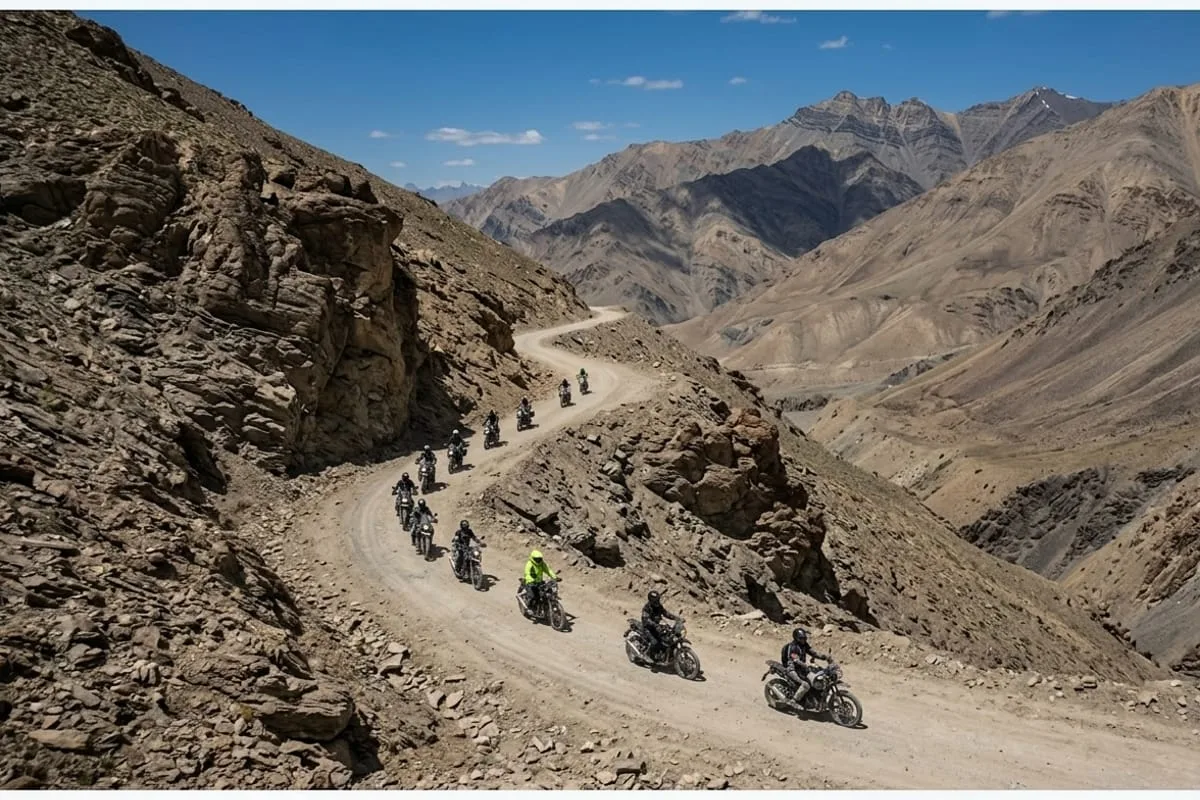
If riding a motorbike: Puncture repair kit, tyre pressure gauge, and basic tool kit. Know how to use them before you leave home.
What to Buy in Leh (Save Packing Space)
You do not need to bring everything from Delhi. These are readily available in Leh's main bazaar:
- Woollen socks, ₹100-200 per pair, good quality
- Diamox and ORS, available over the counter at main bazaar pharmacies
- Pashmina stoles, ₹500-2,500 depending on quality; good gifts to carry back
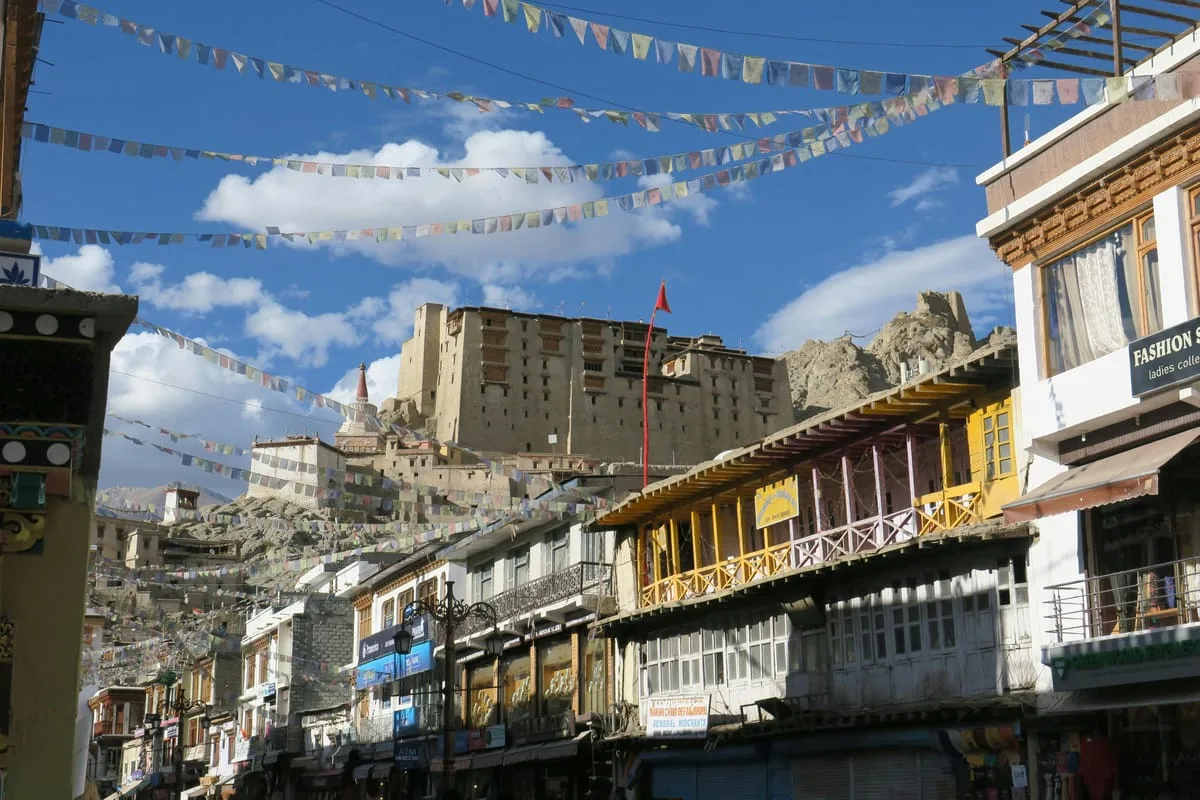
- Tibetan prayer flags, thangka prints, widely available
- Dried apricots from Nubra, packed well, excellent to carry home
What to Leave Behind
- Cotton clothes (or at most 1-2 for Leh town use)
- Hair dryer or straightener, power cuts are frequent; most guesthouses cannot support high-wattage appliances
- More than one pair of jeans
- Heavy formal wear of any kind
- New, unbroken-in shoes
Getting the packing right is the easier part of planning Ladakh. The harder parts, permit logistics across multiple zones, transport timing between altitude stops, acclimatisation scheduling, are where most first-timers feel the pressure. If you want all of that handled, browse Ladakh tour packages. And check the Ladakh trip cost guide to budget the full trip before you finalise what you're spending on gear.
Planning a trip to Ladakh?
Tell us what you have in mind and a Tripsiana travel expert will craft a custom itinerary, no spam, no pressure.
Explore
Ladakh packages
from ₹28,999
More reads
 Destination Tips
Pangong Lake, Ladakh: The Complete Visitor's Guide
The 134-km, colour-shifting blue lake at 4,350 m — how to get there, permits, the best time to visit and whether to stay overnight.
11 July 2026 · 6 min read
Read more →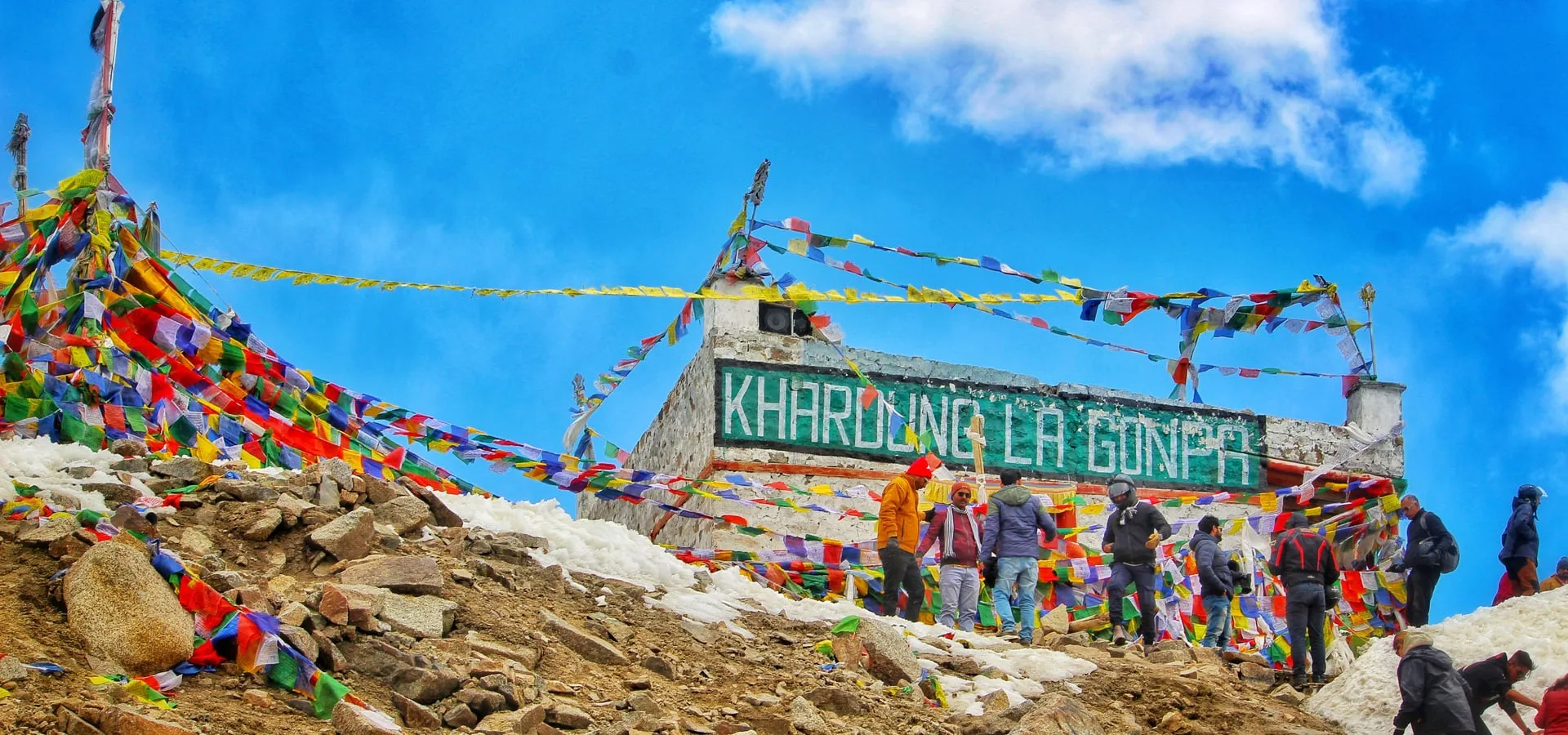 Destination Tips
Ladakh vs Kashmir: Which One Should You Visit?
Same state, two different worlds. Compare altitude, scenery, season and who each suits — and why many travellers do both on one trip.
10 July 2026 · 7 min read
Read more →Destination TipsLadakh Itinerary for 7 Days: Leh, Nubra & Pangong
A practical, well-paced 7-day Ladakh itinerary that acclimatises you properly and covers Leh's monasteries, Nubra Valley and Pangong Tso.
10 July 2026 · 7 min read
Read more →