
Jaintia Hills: Nongjrong, Krang Suri and the Meghalaya Most Trips Skip
· 7 min read · By Tripsiana Team
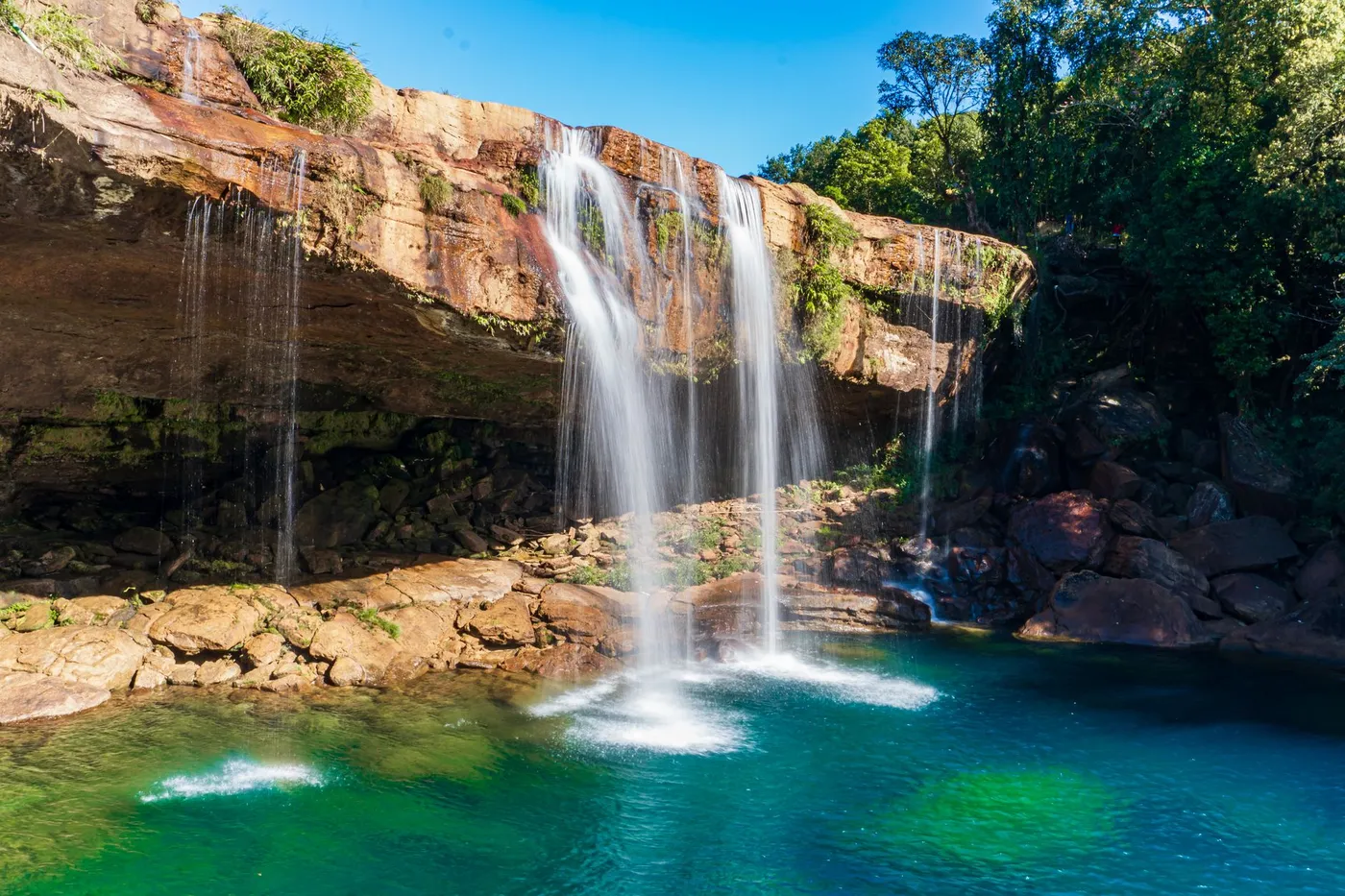
The Jaintia Hills are the eastern third of Meghalaya, centred on Jowai, about two hours east of Shillong, and almost no standard package goes there. That's the main reason to go. You get a turquoise waterfall pool, a field of standing stones five centuries old, and a dawn view over a valley full of cloud, with a fraction of the crowds you'll meet at Sohra and Dawki.
What's out there
Nongjrong at dawn
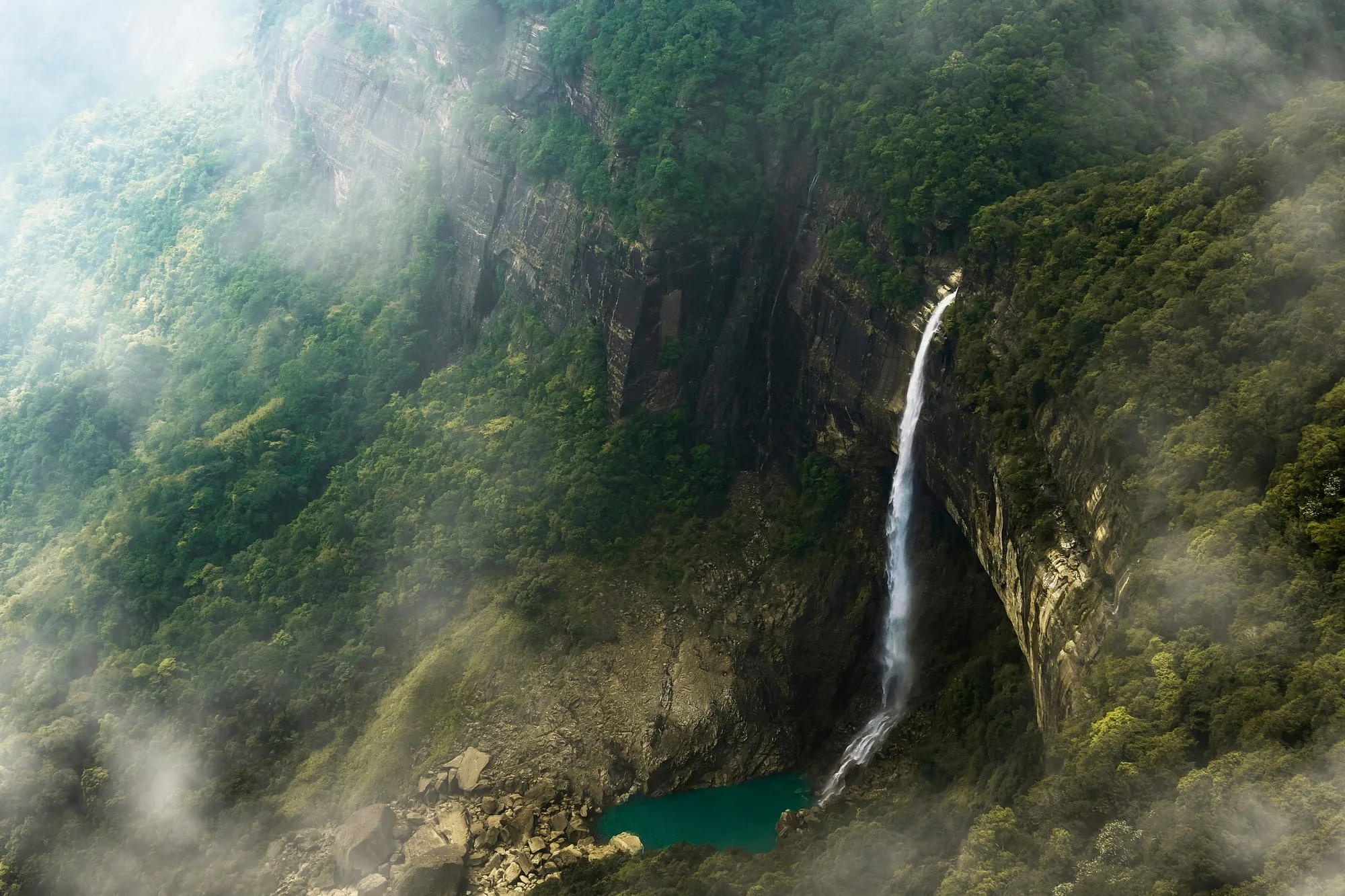
On clear, cold mornings the valleys below Nongjrong fill with cloud, and you stand on a ridge above a white sea with the tops of the hills breaking through it. It's the single strongest reason to come east.
It needs the right season and an early alarm. The inversion forms reliably from late October to February and almost never in monsoon, when you get rain and grey instead. You need to be on the ridge by 5am, because it burns off quickly once the sun is up. From Shillong that means leaving at 3 to 3:30am. Staying in the Jaintia Hills makes it much easier.
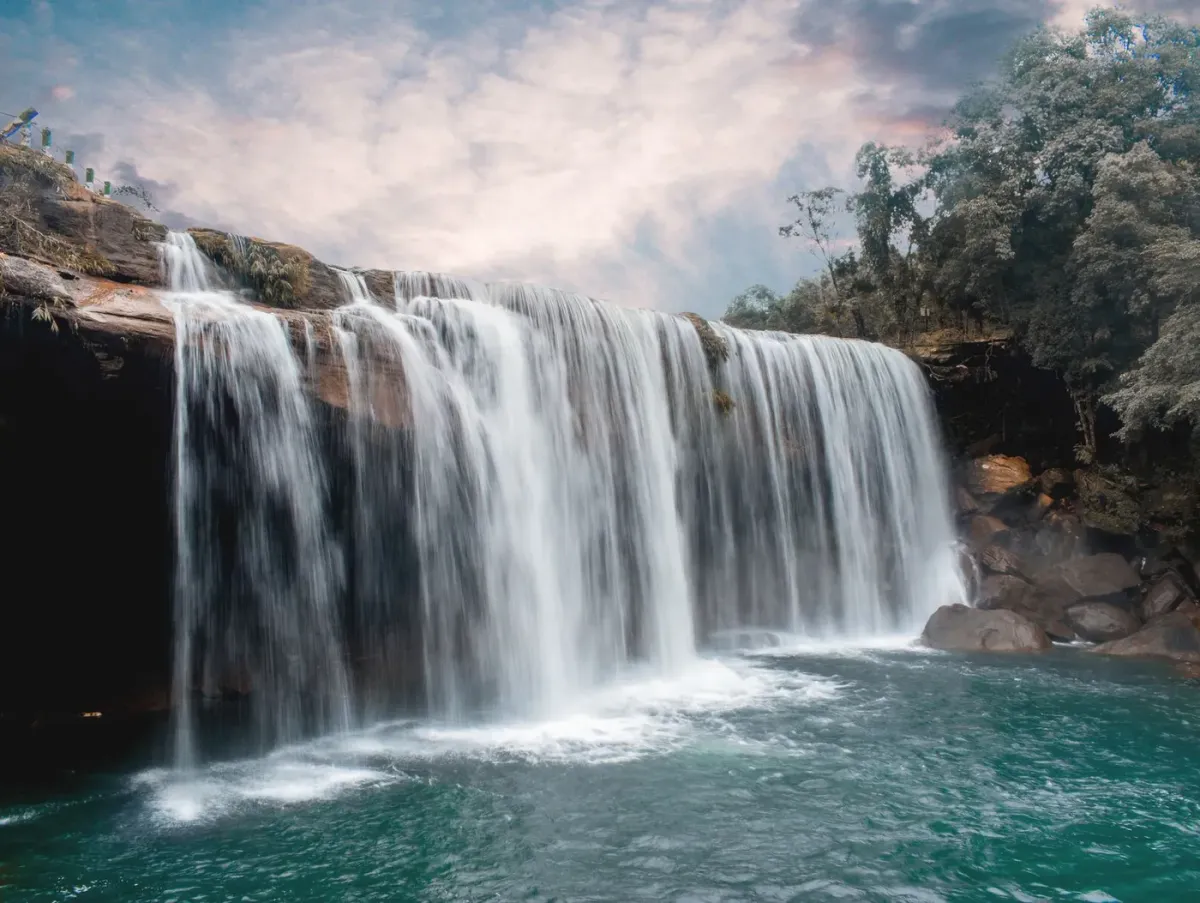
Krang Suri Falls
A waterfall dropping into a deep turquoise pool, with a path that runs behind the curtain of water. From October to February you can swim in it, with life jackets provided. Get there before 10am. The crowds and the heat arrive together.
From June to August the falls are loud and the pool is off limits for swimming.
The Nartiang monoliths
A field of standing stones raised by Jaintia chiefs between 1500 and 1835, according to the West Jaintia Hills district. The tallest is about eight metres. It's one of the more remarkable sites in the Northeast and gets a small fraction of the visitors it deserves. Go in the clear winter light. Take the local guide, too, because the stones mean very little until someone tells you what they marked.
Syntu Ksiar and Tyrshi Falls
Syntu Ksiar is a wide green bend of river near Jowai and a good place to stop for an hour. Tyrshi Falls is at its fullest in monsoon, the same months as the big Sohra falls, and thin by winter.
Krem Liat Prah
One of the longest known cave systems in India, and expedition territory rather than a walk-in cave. It's only feasible from November to February, with specialist caving support. If you're a serious caver, it's here. It isn't something to add to an ordinary itinerary.
When each one works
| Place | Jun to Aug | Sep | Oct | Nov to Feb | Mar to May |
|---|---|---|---|---|---|
| Nongjrong sunrise | Avoid | Avoid | From late Oct | Best | Fading |
| Krang Suri, swimming | Avoid | OK | Best | Best | OK |
| Nartiang monoliths | OK | OK | OK | Best | OK |
| Tyrshi Falls, Syntu Ksiar | Best flow | Best | OK | Weak | Rising |
| Krem Liat Prah | Avoid | Avoid | Avoid | Best | OK to Mar |
November to February is the window. Nongjrong works, Krang Suri is swimmable and at its clearest, and the caves open. What you give up is waterfall volume.
Base yourself there
You can day-trip Krang Suri from Shillong. You can't sensibly day-trip Nongjrong without a 3am departure, and doing the whole region from Shillong means four or five hours in the car every day.
Two nights in the Jaintia Hills turns it from a rush into a trip.
That's how our Jaintia Hills Uncovered route works: six days, two nights based in the east, a local Jaintia guide for Nartiang and Krang Suri, and the pre-dawn Nongjrong run with hot drinks waiting on the ledge. It has no overlap with the Sohra and Dawki strip at all, which also makes it a good second Meghalaya trip.
Combining it with Dawki
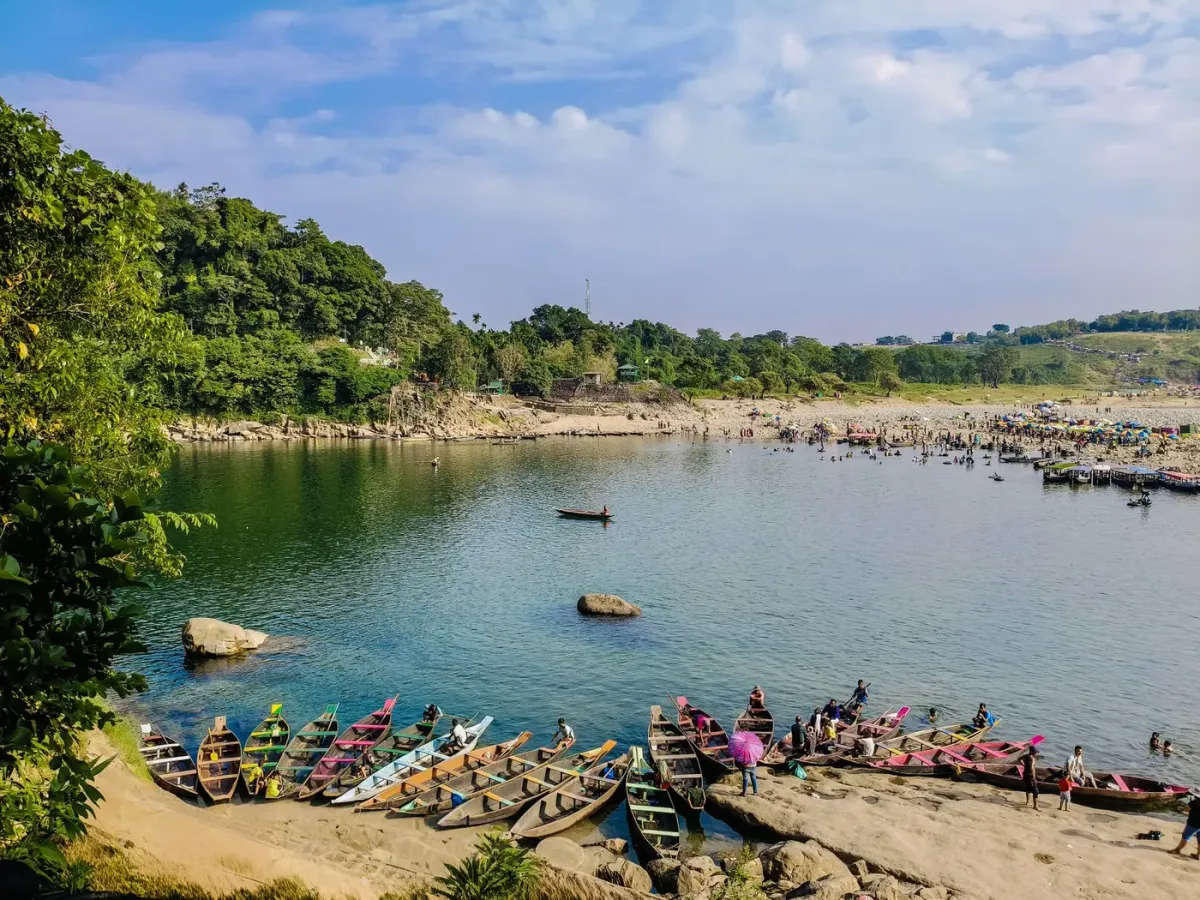
The Jowai to Dawki road links the Jaintia Hills to the Umngot river, and in the dry season the two combine well into one eastern loop. In monsoon that road is among the more landslide-prone in the state, so plan the combination for November to April.
Behdienkhlam
Behdienkhlam, held in Jowai each July, is the big Jaintia festival. In Pnar the name means driving away the plague, and it began as a rite against cholera at the height of the rains. It's a community event rather than a staged show, and it's the one strong reason to come to the Jaintia Hills in monsoon.
For how the east compares with the rest of Meghalaya month by month, see the best time to visit Meghalaya.
Planning a trip to Meghalaya?
Tell us what you have in mind and a Tripsiana travel expert will craft a custom itinerary, no spam, no pressure.
Explore
Meghalaya packages
from ₹21,000
More reads
 Destination Tips
Meghalaya in December: Cold, Clear and Booked Out by Christmas
The driest, clearest month of the year, and the worst one for waterfalls. What December delivers, what it doesn't, and when you need to book.
5 October 2026 · 7 min read
Read more → Destination Tips
Is Meghalaya Safe? The Real Risks and How to Handle Them
The risks that matter in Meghalaya are physical, not personal: hill roads after dark, monsoon landslides, wet stone steps and deceptively deep water.
5 October 2026 · 8 min read
Read more → Destination Tips
Kaziranga with Meghalaya: Dates, Safari Slots and How to Fit It In
Kaziranga opens on 1 November and closes on 31 May. When it earns its two days on a Meghalaya trip, which jeep slot to book, and when to leave it out.
5 October 2026 · 7 min read
Read more →