
Best Time to Visit Meghalaya: A Season Guide
· 7 min read · By Tripsiana Team
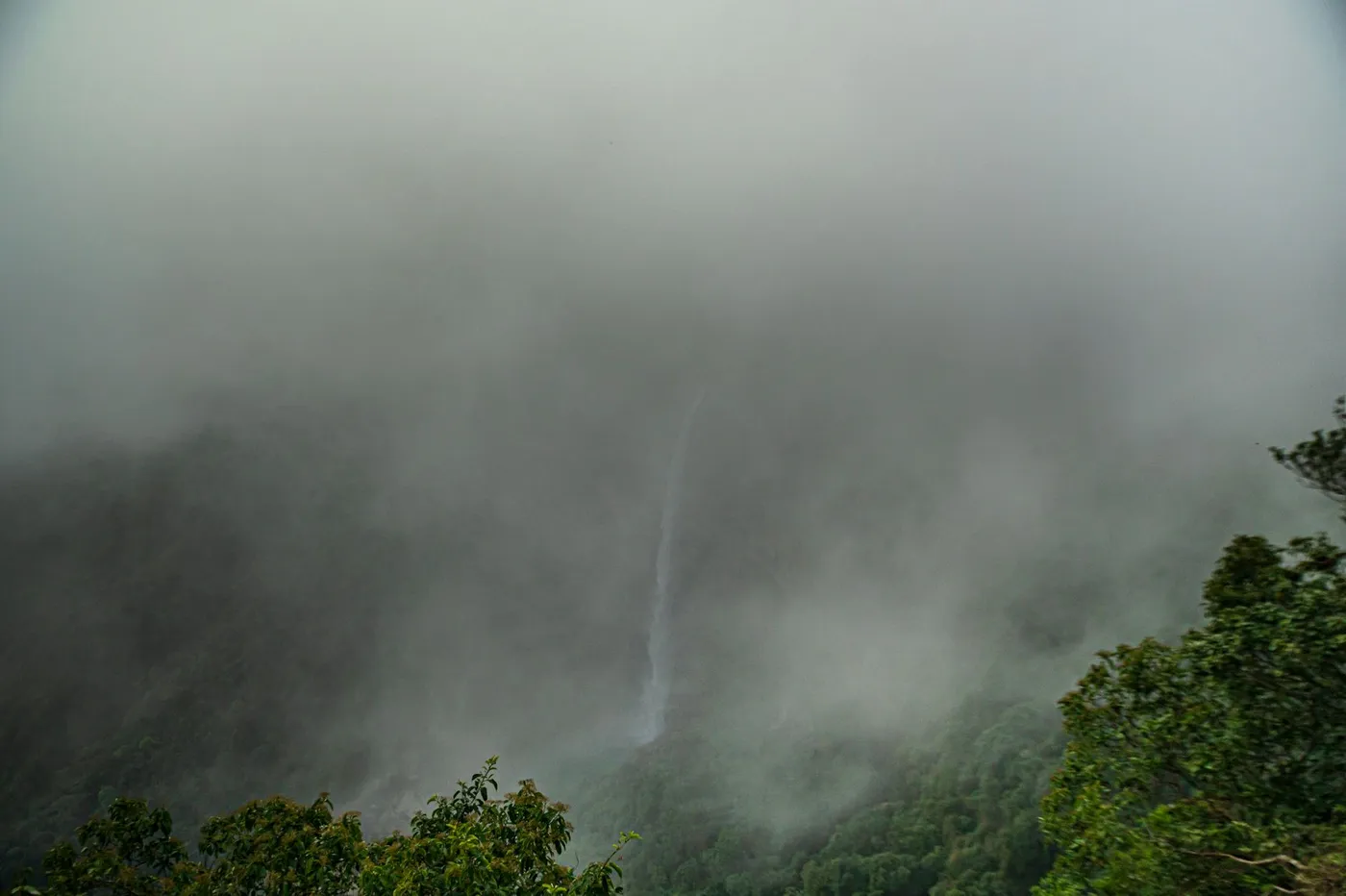
The best time to visit Meghalaya is November to February, when the Umngot river at Dawki runs clear, the trekking and caving season is open, and Kaziranga has reopened next door. If you want the waterfalls at full roar instead, come in June to September and accept that the river will be brown. October is the single best all-rounder for Meghalaya itself.
That trade-off is the whole decision, and most guides skip it. Below is what is actually open, month by month, site by site, and at what hour of the day.
When is the best time to visit Meghalaya?
| You want | Go in | What you give up |
|---|---|---|
| Clear Umngot river at Dawki | Nov to Feb | Waterfalls run thin |
| Waterfalls at maximum power | Jun to Sep | Brown river, no boating, closed treks |
| Best all-round Meghalaya trip | October | Kaziranga still shut until 1 Nov |
| Trekking, camping, caving | Nov to Feb | Cold mornings, book stays early |
| Green landscape, fewer people, soft prices | Sep, or May | Weather is a gamble |
Meghalaya Tourism itself scopes the active season plainly: "The dry months from November to February throw open abundant trekking, camping and caving opportunities."
What does the rain actually do, month by month?
These are approximate long-term averages for Sohra (Cherrapunji), the wettest point in the state and the thing that drives every decision. Shillong gets roughly a fifth of this. Dawki and the Garo Hills are lowland, warmer and less foggy.
| Month | Sohra rain (approx) | What it means |
|---|---|---|
| January | 15 mm | Coldest and clearest. Peak Umngot clarity. Caving season. Falls weak. |
| February | 45 mm | Same, warming. Strawberry season. Best all-round dry month. |
| March | 180 mm | Still dry, greening. Last clean caving window. |
| April | 570 mm | Pre-monsoon storms. Falls reviving. Orchids. |
| May | 1,250 mm | Monsoon arriving. Falls strong, crowds gone, prices soft. Kaziranga closes. |
| June | 2,700 mm | Peak rain. Peak drama and peak disruption. |
| July | 2,450 mm | Peak rain. |
| August | 1,780 mm | Full monsoon, past peak. |
| September | 1,150 mm | Tapering. Clear windows appear. Green at maximum. |
| October | 500 mm | The flip. Best all-rounder, but Kaziranga still closed. |
| November | 70 mm | Dry, clear, festivals stacked. The commercial peak. |
| December | 15 mm | Dry and cold. New Year rush. Some falls thin badly. |
The southwest monsoon normally withdraws from the Northeast around 10 to 15 October, and rainfall drops off sharply from about 1 October even before formal withdrawal. That date is the hinge for everything else.
Temperatures are mild year round: roughly 15 to 25°C in summer and 4 to 16°C in winter.
Will the Dawki river actually be clear when I go?
This is the photo everyone comes for, and it is the most common disappointment.
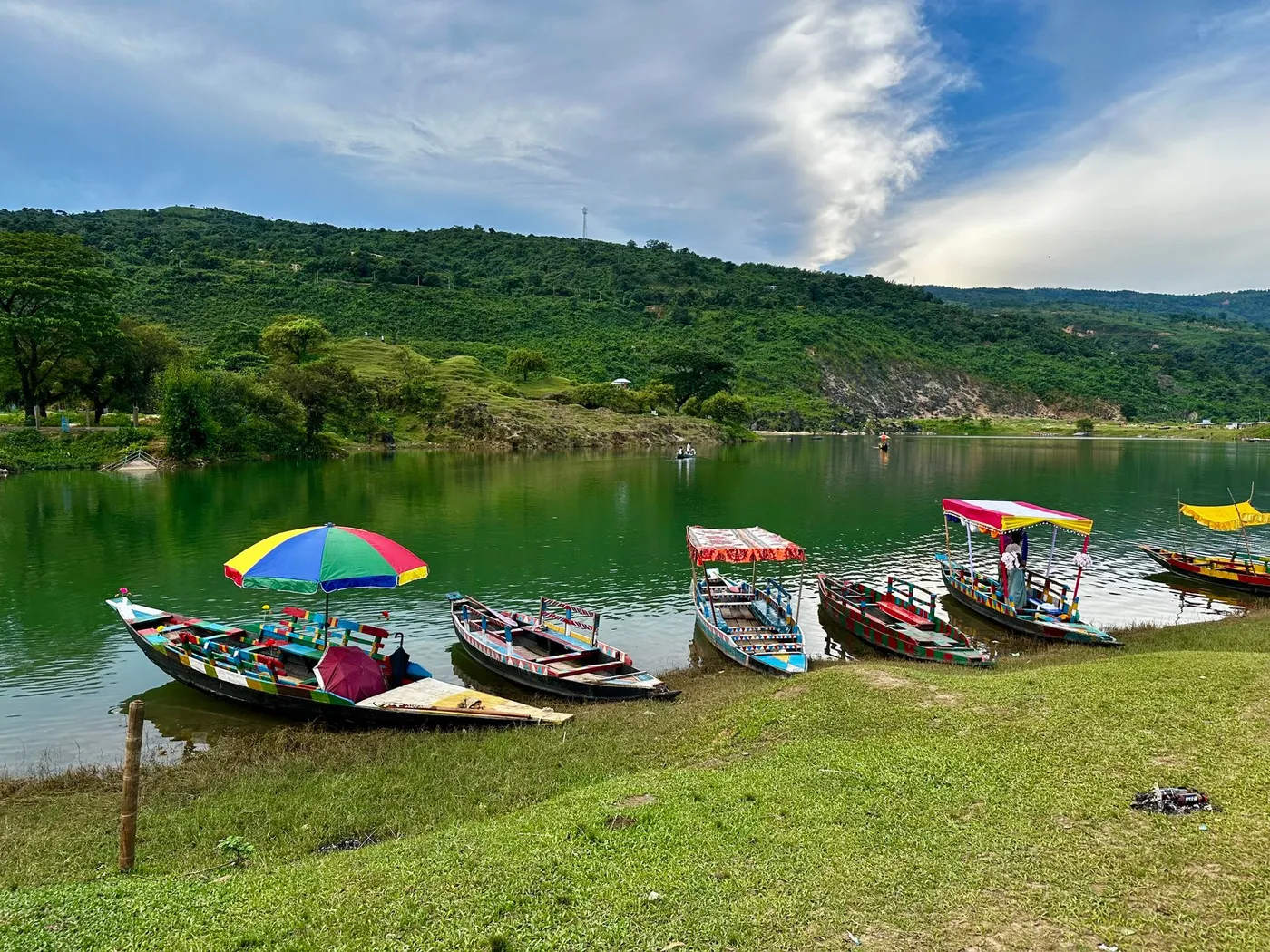
The Umngot is clear when the catchment is dry, so November to March is reliable, with January and February the strongest. In April it is usually still good. From May through September the river runs high and brown, and boating is often suspended entirely at high water. October is a rebuilding month: it clears as the rain stops, but early October is a gamble.
If a clear Umngot is non-negotiable for your trip, do not book between June and September. No operator can produce clear water on demand.
When is Kaziranga open?
Most travel sites get this wrong, so it is worth being exact. Kaziranga is closed to tourists from 31 May to 31 October. The visitor season runs 1 November to 30 April.
You will see commercial booking sites advertising October jeep safaris. Individual ranges have opened early in some years, but that is an operator claim rather than the official position, and it is not something to build a trip around. If someone sells you an October safari, ask them to produce the Forest Department notification for that season.
The commercially useful part: Diwali usually falls in early November, right after the park reopens, so peak demand and the first open week line up.
What is open and closed, attraction by attraction?
This is the part no official source publishes. The state tourism portal lists attractions with no season information at all, so the table below is field knowledge rather than official record. It is also the single most useful thing to know before you build an itinerary.
Khasi Hills
| Place | Jun to Aug | Sep | Oct | Nov to Feb | Mar to May |
|---|---|---|---|---|---|
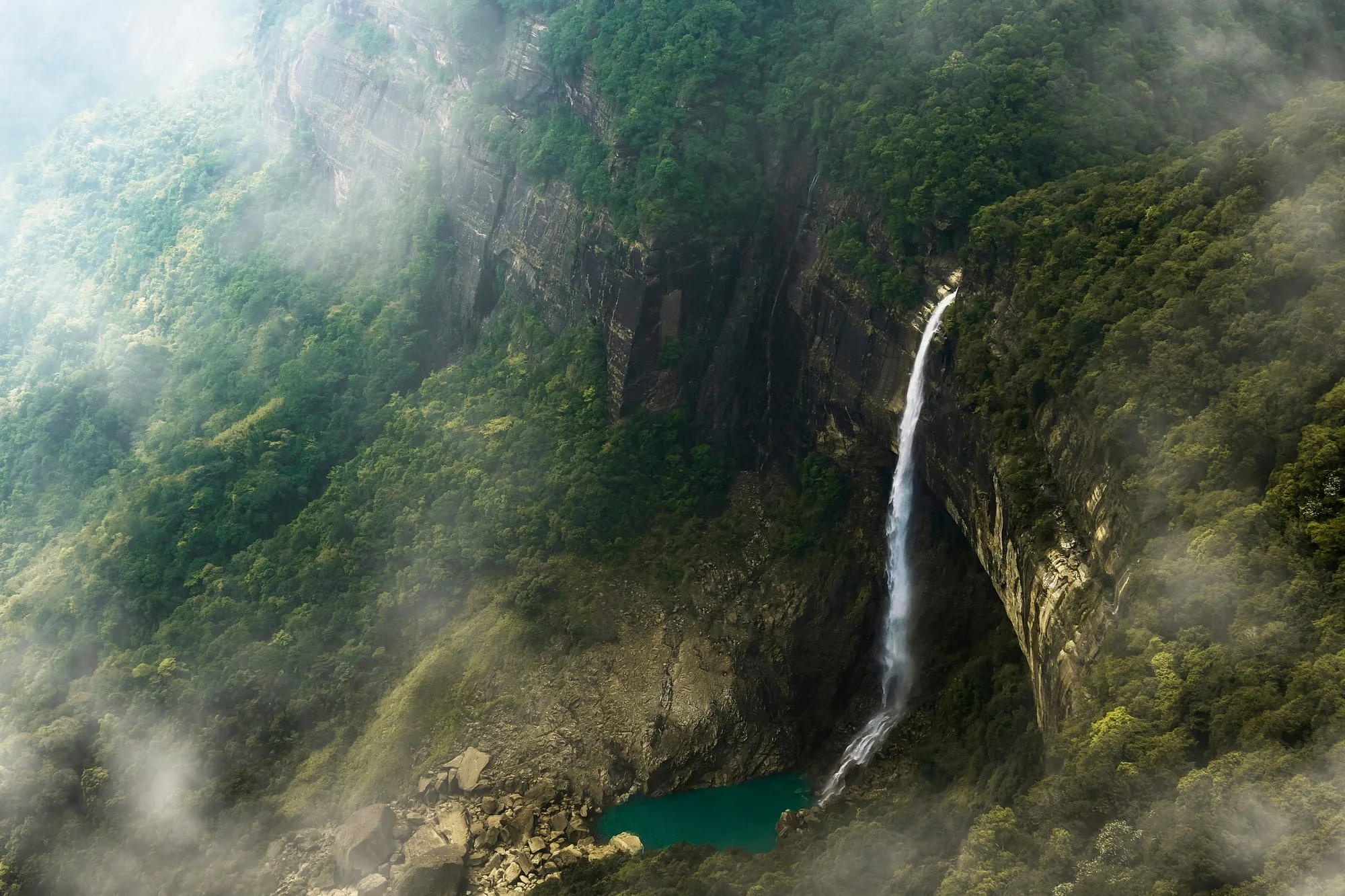
| Nohkalikai Falls | Best flow, fog risk | Best | Best | Reduced, turquoise pool | Rising |
| Seven Sisters Falls | Best, a true seven-strand only in monsoon | Best | Good | Thin to dry | Good from April |
| Nongriat double-decker | Doable but hard, leeches | Fair | Best | Best | Good |
| Rainbow Falls | Often closed | Fair | Best | Best | Good |
| Mawryngkhang bamboo trek | Avoid | Avoid | Late Oct | Best | Good to March |
| Arwah and Mawsmai caves | Wet but open | Fair | Best | Best | Good |
| Krem Puri and river caves | Flooded | Flooded | Avoid | Best | Good to March |
| Laitlum Canyon | Coin flip | Fair | Best | Best | Good |
| David Scott Trail | Mud and leeches | Fair | Best | Best | Good |
| Mawphlang Sacred Grove | Best in mist | Best | Good | Good | Good |
| Umiam Lake water sports | Avoid | Fair | Best | Best | Good |
Jaintia Hills
| Place | Jun to Aug | Sep | Oct | Nov to Feb | Mar to May |
|---|---|---|---|---|---|
| Krang Suri Falls | Loud, not swimmable | Fair | Best | Best, turquoise and swimmable | Good |
| Nongjrong sunrise | Avoid | Avoid | From late Oct | Best | Fading |
| Nartiang Monoliths | Fair | Fair | Good | Best | Good |
Dawki and the west
| Place | Jun to Aug | Sep | Oct | Nov to Feb | Mar to May |
|---|---|---|---|---|---|
| Umngot clear-water boat | Suspended at high water | Avoid | Clearing | Best | Good to April |
| Shnongpdeng camping and kayak | Camps struck | Avoid | Rebuilding | Best | Good to April |
| Wari Chora canyon | Flash flood risk | Avoid | Late Oct onward | Best | Good to April |
| Nongkhnum Island camping | Avoid | Avoid | Late Oct | Best | Good |
If an operator tells you in July that they "cover all of Meghalaya", roughly half of the list above is physically shut. That is the fastest way to test whether someone knows the state.
What time of day should I do each thing?
Season gets you to the right month. Time of day is what separates a good trip from a queue.
| Experience | Go at | Why |
|---|---|---|
| Umngot boat, Dawki | 6:30 to 7:00am | Day-trippers arrive around 10am. Light and stillness are both gone by then. |
| Nongriat descent | 6:30 to 7:00am | Two to three hours down, three to four back up. Start late and you climb out in afternoon rain. |
| Nohkalikai Falls | Morning | The valley fogs in as the day heats. |
| Seven Sisters Falls | Late afternoon | Face-on light across the Bangladesh plains. |
| Laitlum Canyon | Late afternoon to sunset | Cloud lifts, and the light is the entire point. |
| Nongjrong sunrise | Leave Shillong by 3:00am | The cloud inversion burns off fast after sunrise. |
| Krang Suri Falls | Before 10am | Crowds, and the swim window. |
| Kaziranga jeep safari | Dawn slot, 5:30 to 6:00am | Animals are active. The afternoon slot is materially worse. |
| Caves | Midday or any wet afternoon | Weather-independent, so they are your rain filler. |
| Umiam Lake | Sunset | Ten minutes off the highway, and most itineraries drive straight past. |
Can I see the waterfalls and the clear river on one trip?
No, and anyone who says otherwise is selling you something.
The waterfalls are fed by the same rain that clouds the Umngot. Full-power falls and a glass-clear river are physically incompatible. October is the closest compromise: the rain has just stopped, the falls are still strong, and the river is clearing. Even then you are trading a little of each.
Pick the one that matters more to you, and build the trip around it.
What should I pack?
Monsoon (June to September): waterproof jacket, a dry bag for electronics, anti-slip shoes with real grip, quick-drying clothes, leech socks for Nongriat, and a basic health kit with insect repellent. Meghalaya Tourism issues a standing advisory to check forecasts and heed heavy rain and landslide warnings, which is worth taking literally.
Winter (November to February): thermals, a proper jacket, gloves and warm socks. Sohra mornings are genuinely cold and most people underpack for it.
When should I book?
November to February is high season, and the state's own guidance is to book accommodation well in advance. For New Year travel, inventory in Sohra and Shillong goes early. Monsoon is the opposite: fewer people, softer rates and far more flexibility, provided you accept the closures above.
Planning your own trip
If you tell us what you most want to see, we will build the trip around the month that actually delivers it rather than the month that suits our calendar. Browse our Meghalaya tour packages, see what the days look like in our 6-day Meghalaya itinerary, or check real numbers in the Meghalaya trip cost breakdown.
Coming for the river specifically? Read the Dawki and Umngot river guide. Coming for the trek? Start with the living root bridges guide.
Planning a trip to Meghalaya?
Tell us what you have in mind and a Tripsiana travel expert will craft a custom itinerary, no spam, no pressure.
Explore
Meghalaya packages
from ₹21,000
More reads
 Travel Guides
Meghalaya in December: Cold, Clear and Booked Out by Christmas
The driest, clearest month of the year, and the worst one for waterfalls. What December delivers, what it doesn't, and when you need to book.
5 October 2026 · 7 min read
Read more →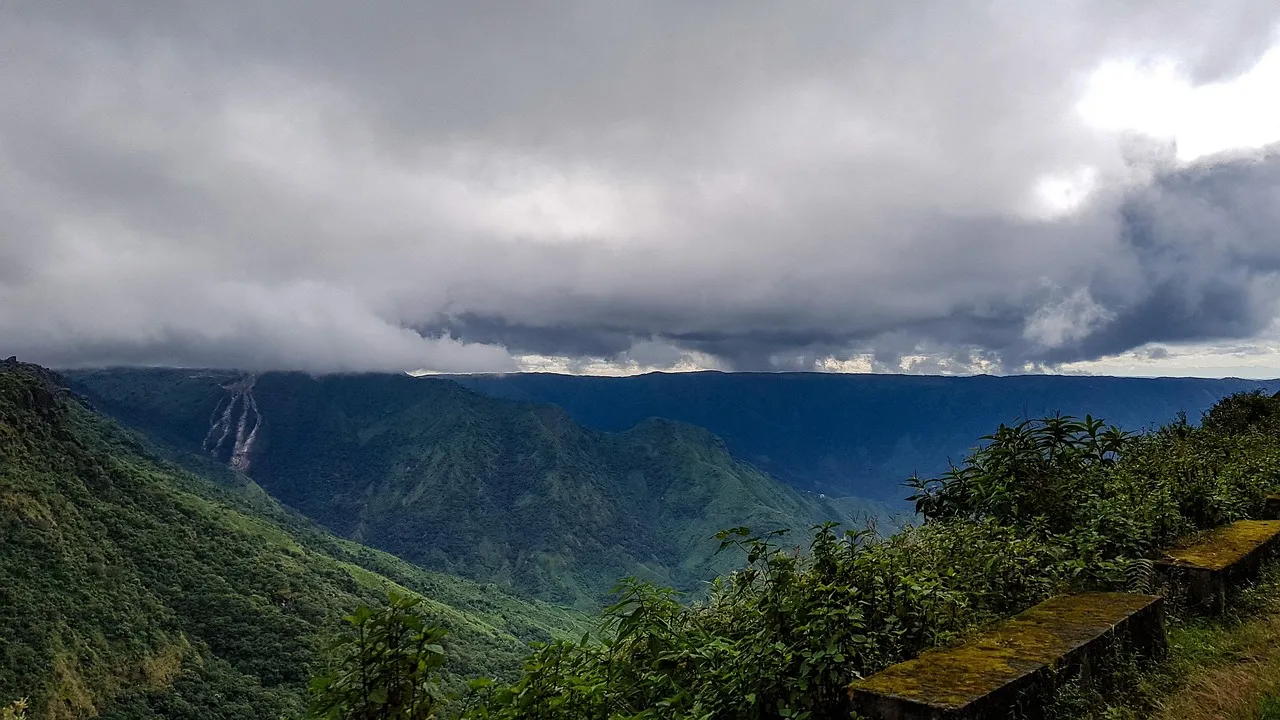 Travel Guides
Is Meghalaya Safe? The Real Risks and How to Handle Them
The risks that matter in Meghalaya are physical, not personal: hill roads after dark, monsoon landslides, wet stone steps and deceptively deep water.
5 October 2026 · 8 min read
Read more →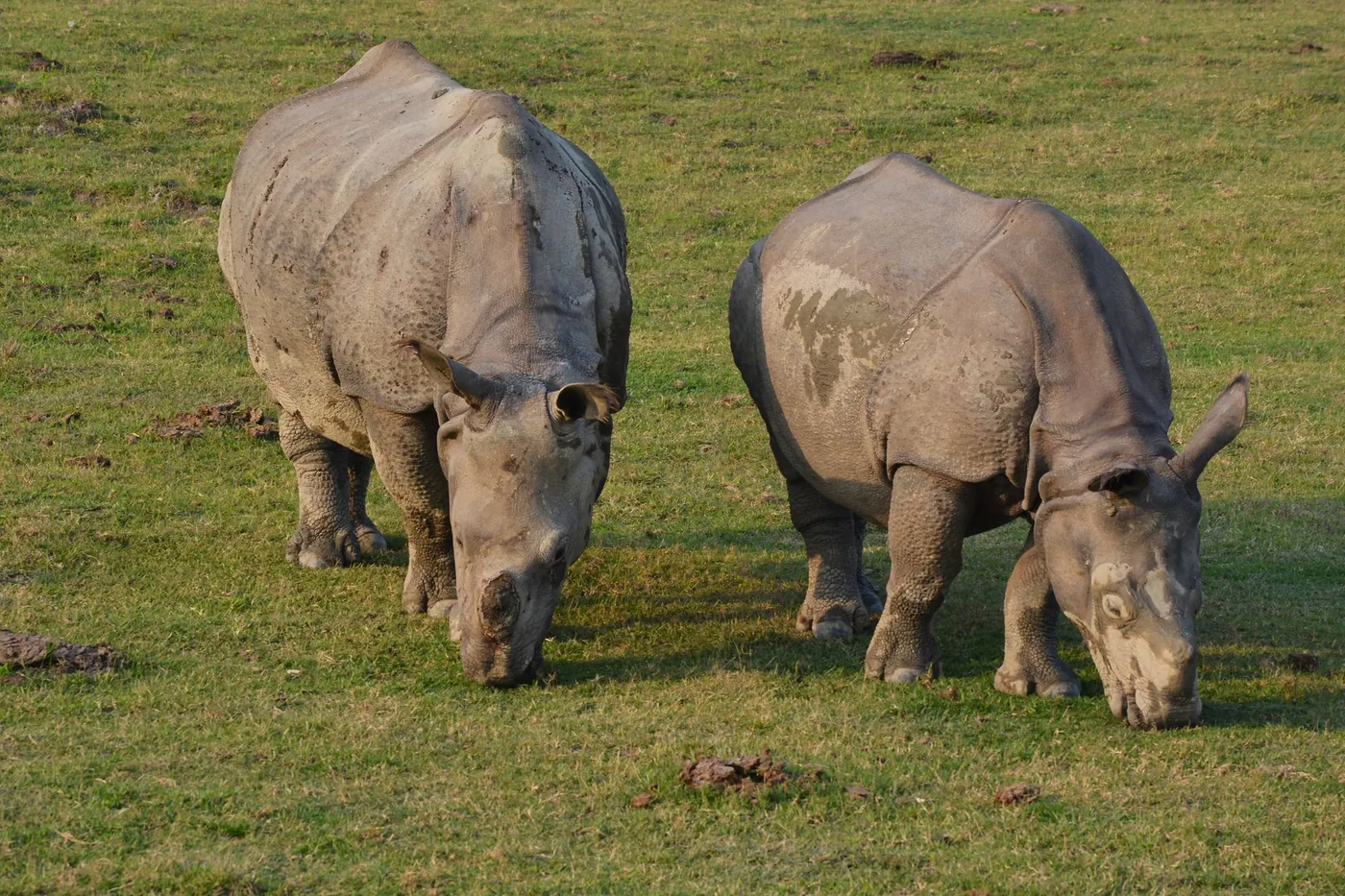 Travel Guides
Kaziranga with Meghalaya: Dates, Safari Slots and How to Fit It In
Kaziranga opens on 1 November and closes on 31 May. When it earns its two days on a Meghalaya trip, which jeep slot to book, and when to leave it out.
5 October 2026 · 7 min read
Read more →