
Best Things to Do in Ladakh: Experiences Worth Building a Trip Around
· 5 min read · By Tripsiana Team
Ladakh is often reduced to "beautiful landscapes and monastery visits" in travel content, which barely scratches the surface. The things to do in Ladakh range from high-altitude lake stays and ancient Buddhist culture to remote villages most tourists never reach. Here are the experiences genuinely worth building a trip around, with honest context on each.
The Unmissable Experiences
See Pangong Tso at Sunrise
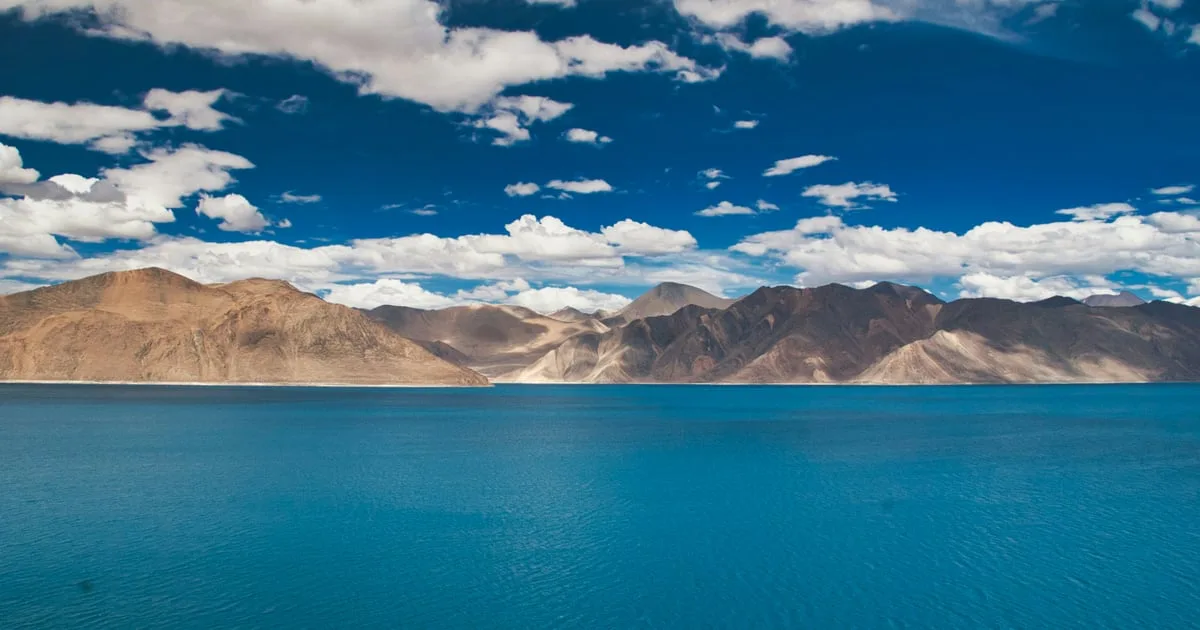
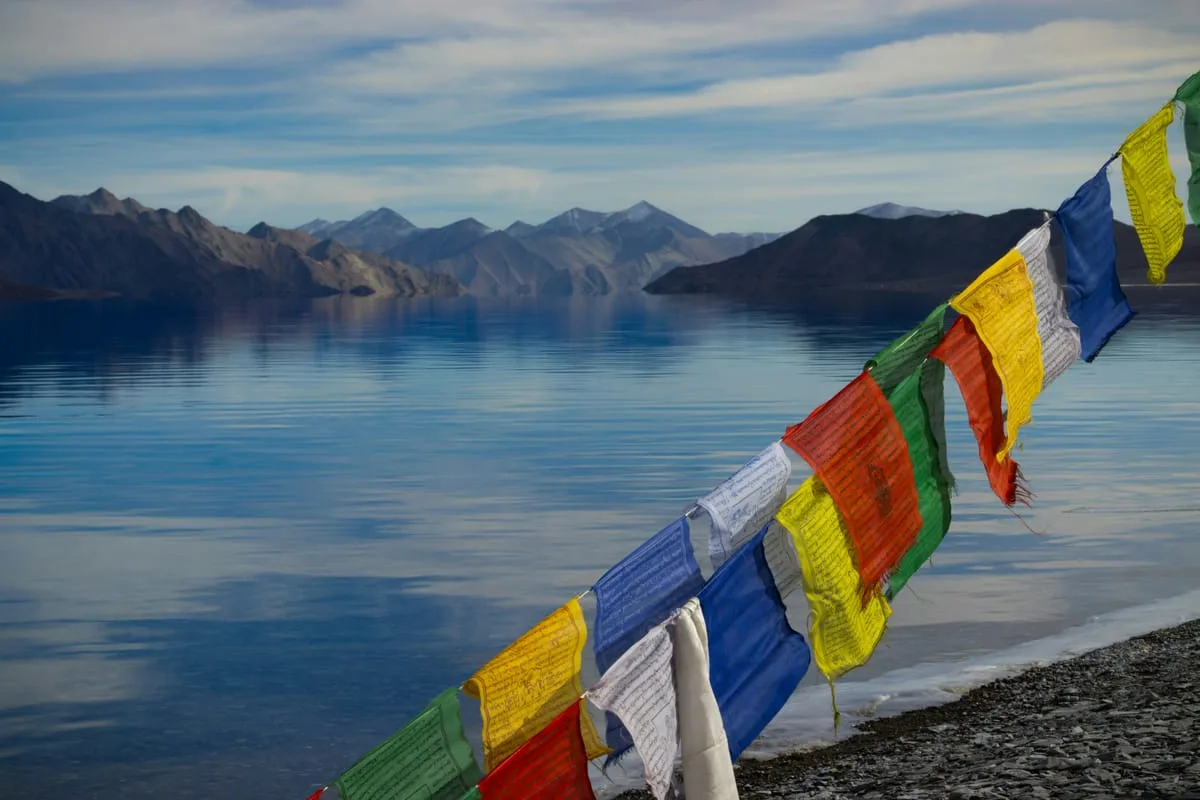
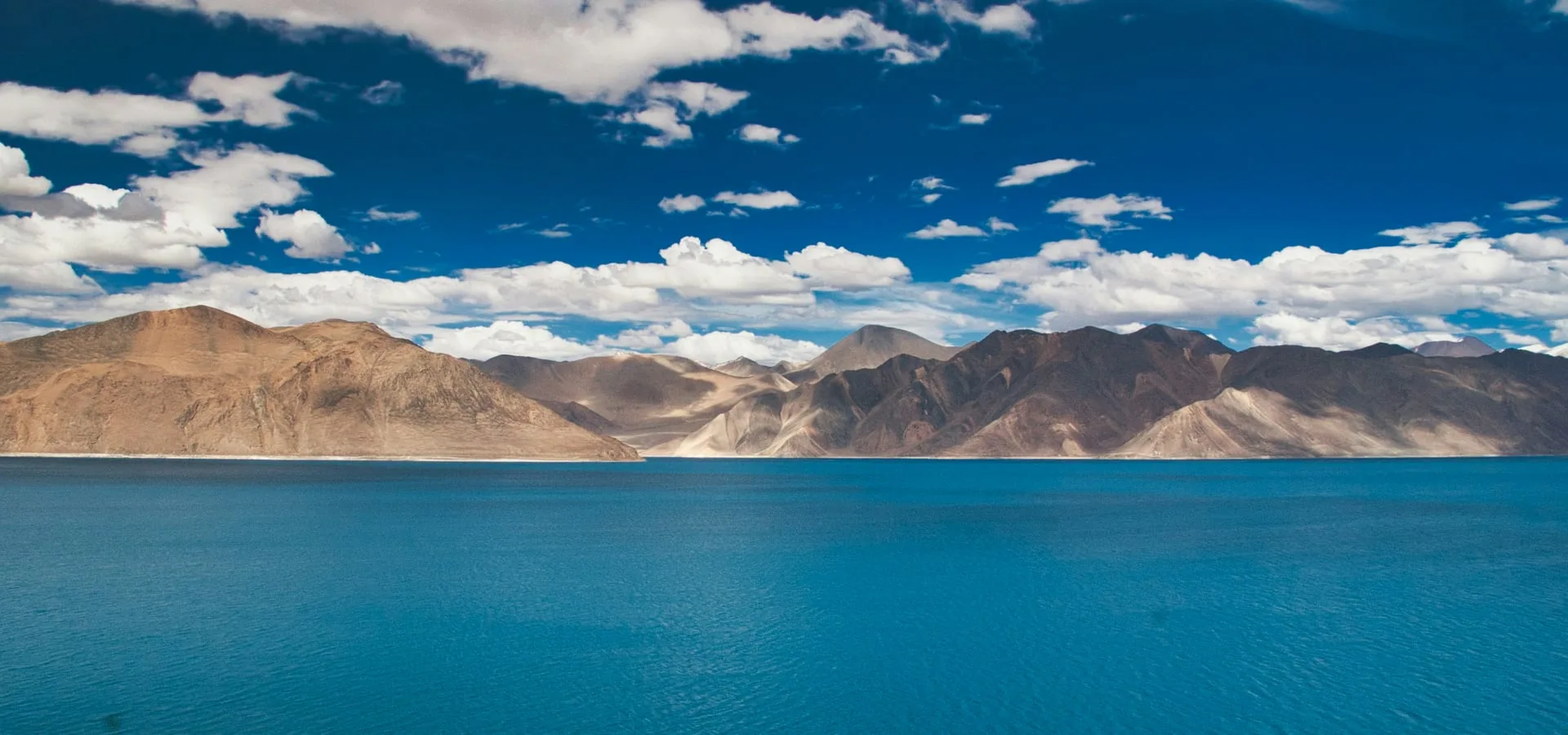
Pangong Tso at 4,350 m is the most photographed place in Ladakh, and it earns every bit of that. The 134 km lake straddles the India-China border and changes colour dramatically through the day, vivid blue in full sun, teal-green at dusk, inky black at night. The photographs do not quite capture the scale of it in person.
The day-trip version from Leh (5 hours via Chang La, photos, drive back) is fine. Staying overnight at a camp on the southern bank and seeing the sunrise is a completely different experience. Camps run ₹3,000-12,000 per person per night with meals; book ahead in July-August.
Inner Line Permit required. Apply online before arrival.
Drive to Khardung La
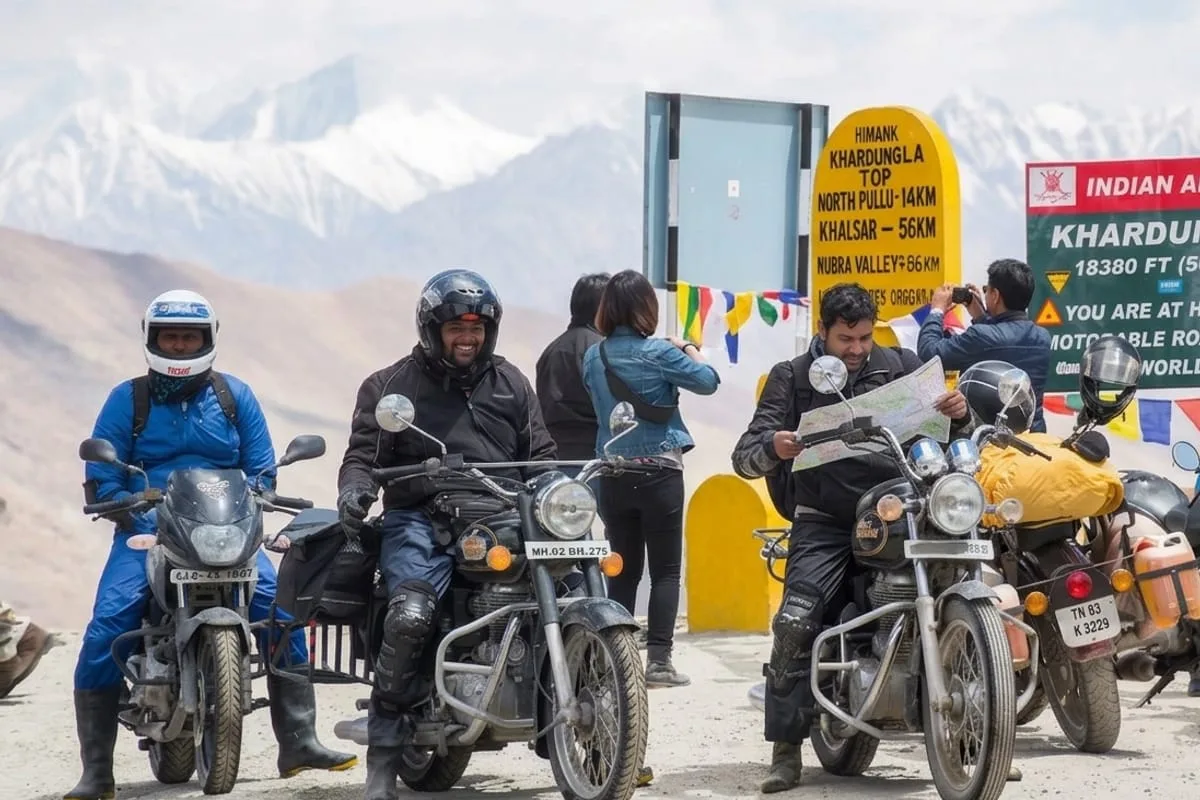
Khardung La (5,359 m) is one of the highest motor-able passes in the world. The drive from Leh takes 1.5 hours up through barren switchbacks above the treeline. At the top: a small tea stall, ITBP checkpoint, and a well-worn sign. Temperatures there can be 10-12°C colder than Leh even in July.
The reward is the drive itself, the wide Indus Valley visible far below, the last stretch rising through a corridor of snow and rock. Stay for 20-30 minutes and continue down to Nubra Valley; it makes far more sense as part of a Nubra trip than as a standalone day outing.
Nubra Valley: Dunes, Villages, Camels
Nubra Valley requires crossing Khardung La and is worth at least 2 nights. The highlights:
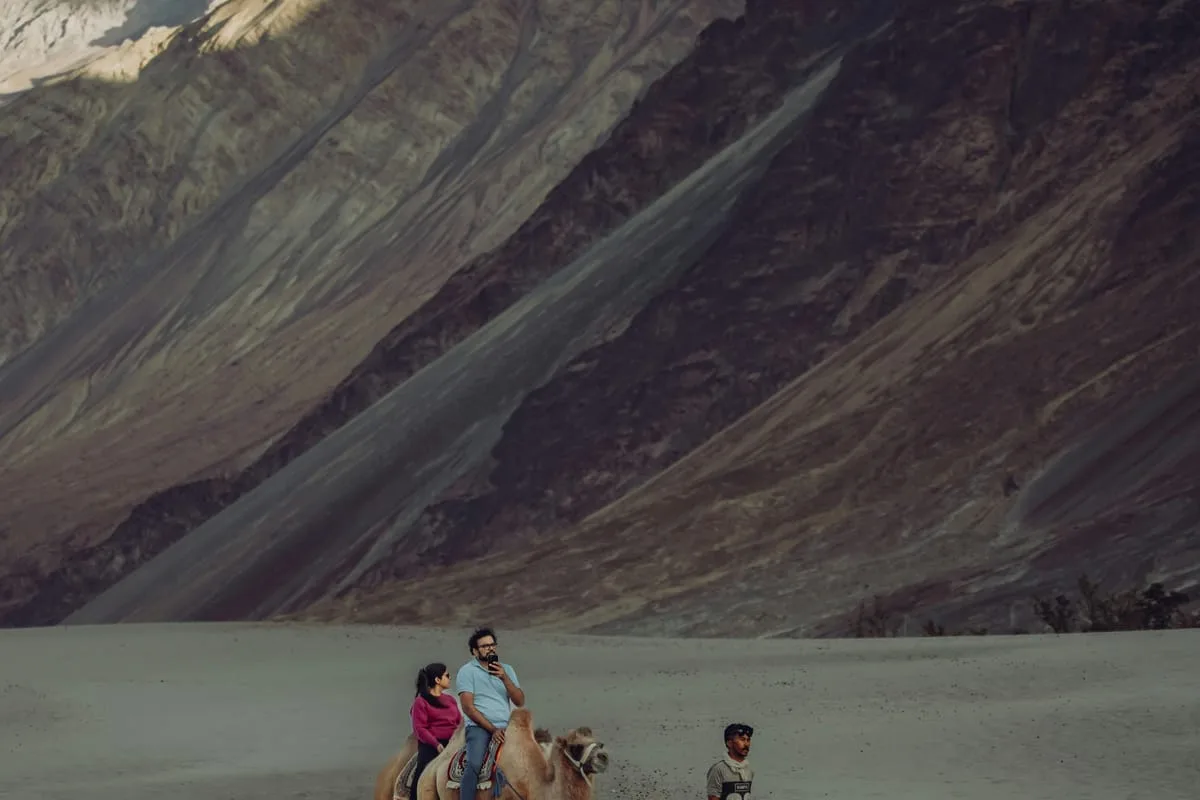
Hunder dunes: Double-humped Bactrian camels against Himalayan peaks and sand dunes, one of Ladakh's most surreal sights. Camel safari: ₹500-700 per person, 20-30 minutes.
Turtuk village: A remote Balti-speaking village near the Pakistan border, with centuries-old stone houses, apricot orchards, and a community that was part of Pakistan until 1971. Architecturally and culturally unlike anywhere else in Ladakh. Don't skip this for the dunes photo alone.
Diskit Monastery: A 14th-century gompa above the valley with a 32-metre-tall Maitreya Buddha statue facing the Siachen direction. Striking at dusk.
Inner Line Permit required for all of Nubra.
The Monasteries
Ladakh has some of the finest Tibetan Buddhist monasteries in the world. The four most worth your time:
Hemis: The largest and wealthiest in Ladakh. Even without the Hemis Festival (July, mask dances and rare thangka unveiling), the prayer halls and museum are extraordinary. Book the full guided tour, worth ₹500-1,000.
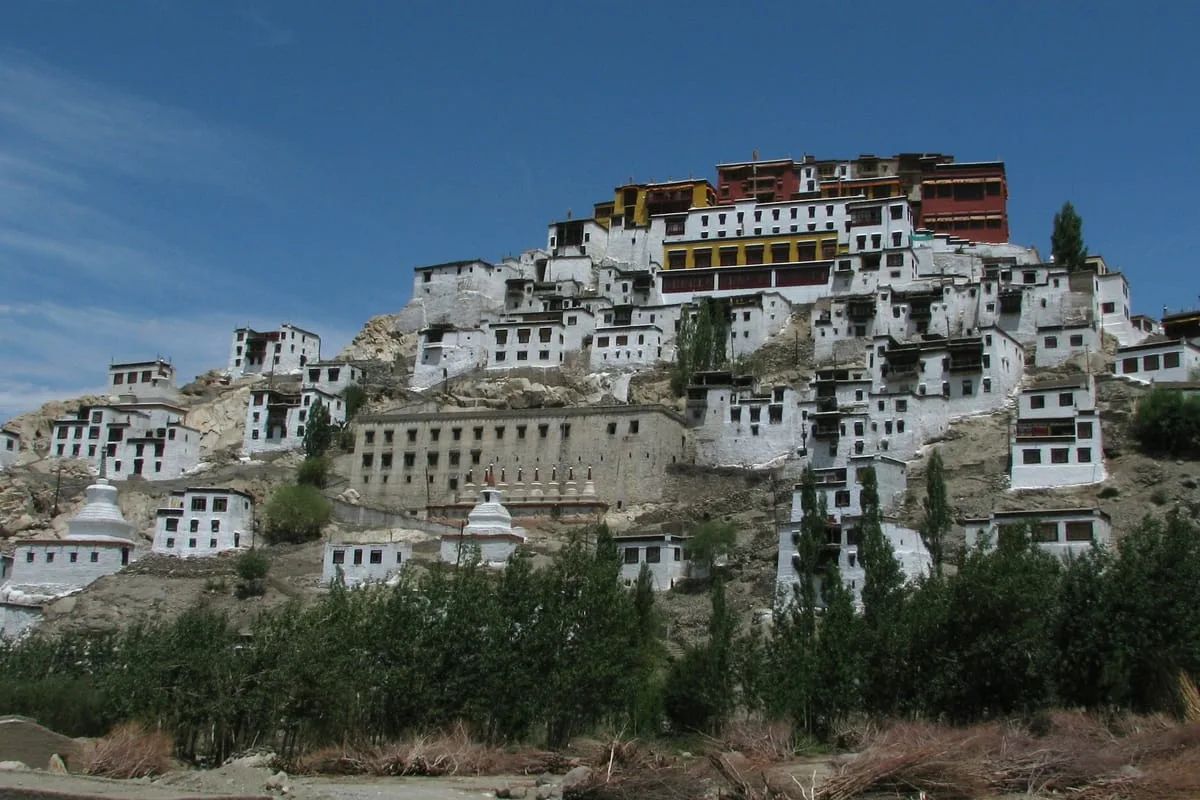
Thiksey: The gompa that looks like Potala Palace in Lhasa, a multi-storey structure stacked up a rocky hill above the Indus. At its best early morning during prayers, when monks in maroon robes fill the main hall.
Alchi: In the lower Indus Valley, 70 km from Leh. Contains 11th-century Buddhist murals that are among the oldest and best-preserved in the Himalayan region. Quiet, understated, and genuinely remarkable for anyone interested in religious art or history.
Lamayuru: Called Moonland for the dramatically eroded badland terrain surrounding it. One of Ladakh's oldest gompas, with cave-temples carved into the rock. Often missed because it's on the Srinagar road, worth the stop if you're coming in from that side.
Tso Moriri: Pangong Without the Crowds
Tso Moriri (4,522 m) is what Pangong was fifteen years ago, remote, wild, and visited by a fraction of the tourists. This 28 km lake in the Changthang Plateau has only the small village of Korzok on its shore and almost no development. The drive takes 6-7 hours from Leh via Chumathang or Mahe.
Bring a warm sleeping bag. Nights at Tso Moriri are cold even in August (0-5°C). The lake is best at dawn, with the Himalayan range reflected still in the water.
Inner Line Permit required.
Rafting at the Indus-Zanskar Confluence
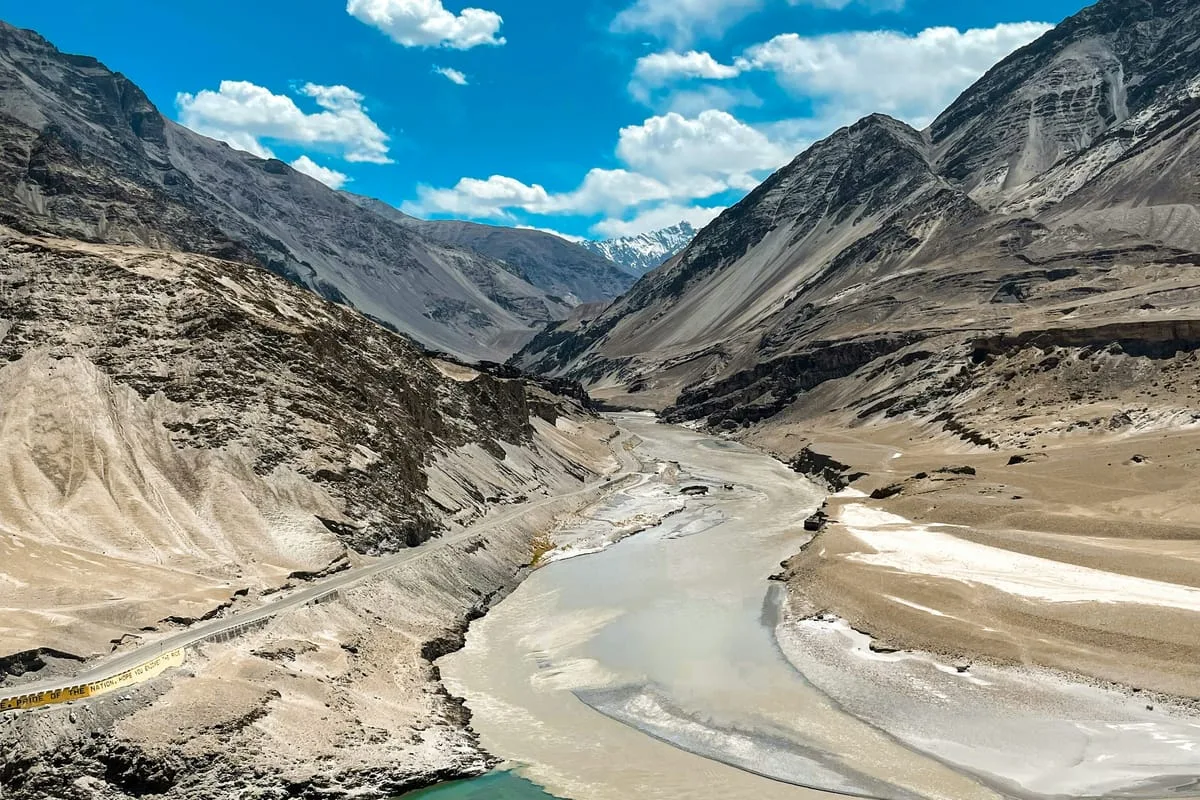
At Nimmu (35 km from Leh), the turquoise Zanskar river meets the muddy brown Indus in a vivid two-tone confluence visible from the road. You can raft this stretch, Grade II-III rapids, 1-2 hours, suitable for beginners. Most operators in Leh offer this for ₹700-1,200 per person with equipment included.
Walk Leh's Old Town
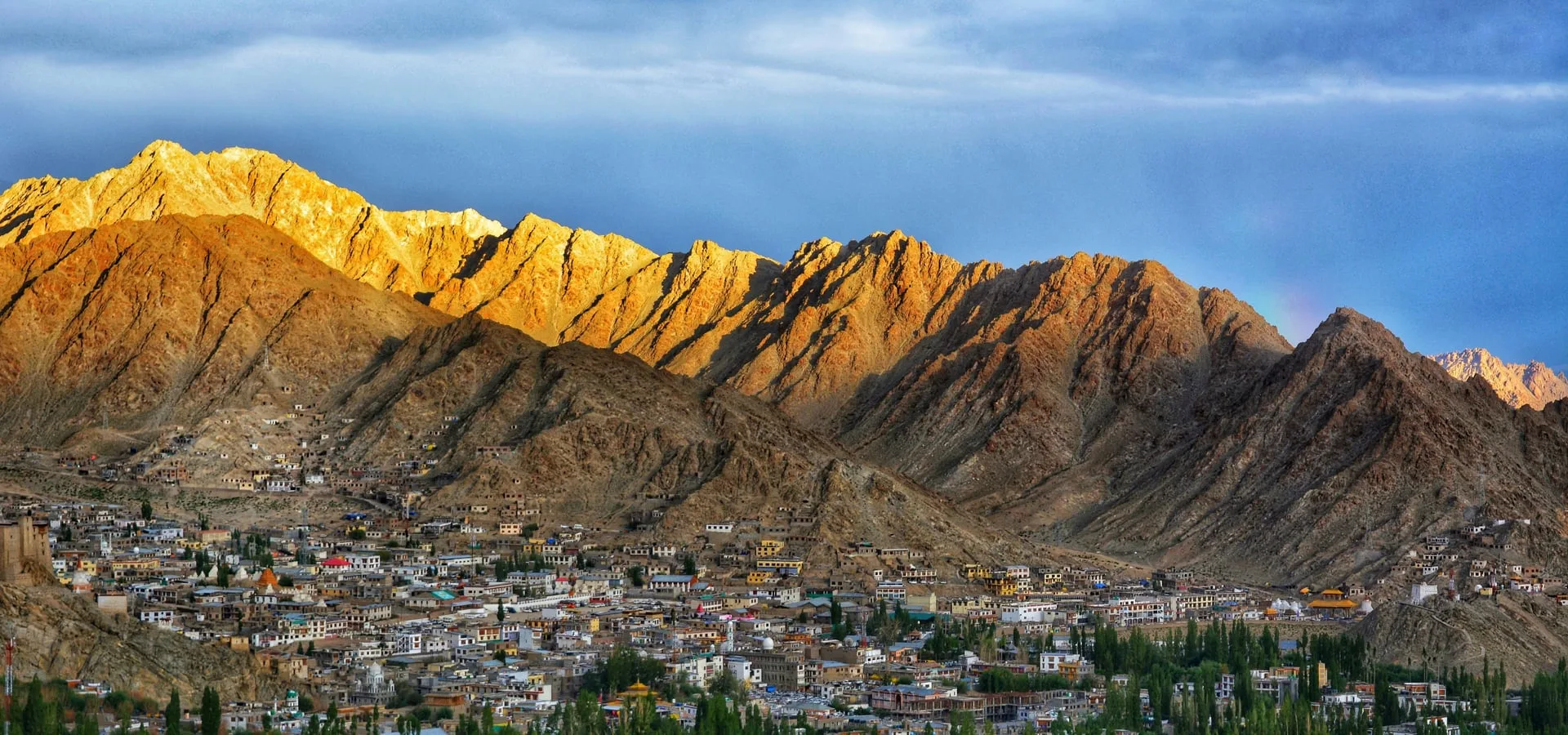
Leh Palace (15th century, modelled loosely on Potala Palace), Shanti Stupa with its 360° views over the city and Stok Kangri, and the main bazaar, the old town deserves half a day on foot. Morning light on the palace walls is particularly worth the early start. Sankar Monastery, 20 minutes' walk from central Leh, is often uncrowded and peaceful.
Stargazing
Ladakh has minimal light pollution, thin dry atmosphere, and clear skies. On any moonless night outside Leh town, at a Pangong camp, at Tso Moriri, or simply at a village guesthouse, the Milky Way is clearly visible to the naked eye. No booking required. Take a jacket and look up after 9 PM.
A Note on Permits and Planning
Most of the experiences above require an Inner Line Permit (ILP). Apply at jktourism.gov.in before arrival, each permit zone (Pangong, Nubra, Tso Moriri) has a separate ₹200-400 fee. It takes about 10 minutes online and saves a morning queue in Leh.
For the best timing for each experience, read the best time to visit Ladakh guide before you finalise your dates.
Every experience on this list is more rewarding when the logistics are handled, permits pre-applied, the right stops at the right altitude, transport that fits the route. Browse Ladakh tour packages to see how we structure a complete trip, or check the Ladakh packing list to prepare for what you'll encounter on the ground.
Planning a trip to Ladakh?
Tell us what you have in mind and a Tripsiana travel expert will craft a custom itinerary, no spam, no pressure.
Explore
Ladakh packages
from ₹28,999
More reads
 Things To Do
Pangong Lake, Ladakh: The Complete Visitor's Guide
The 134-km, colour-shifting blue lake at 4,350 m — how to get there, permits, the best time to visit and whether to stay overnight.
11 July 2026 · 6 min read
Read more →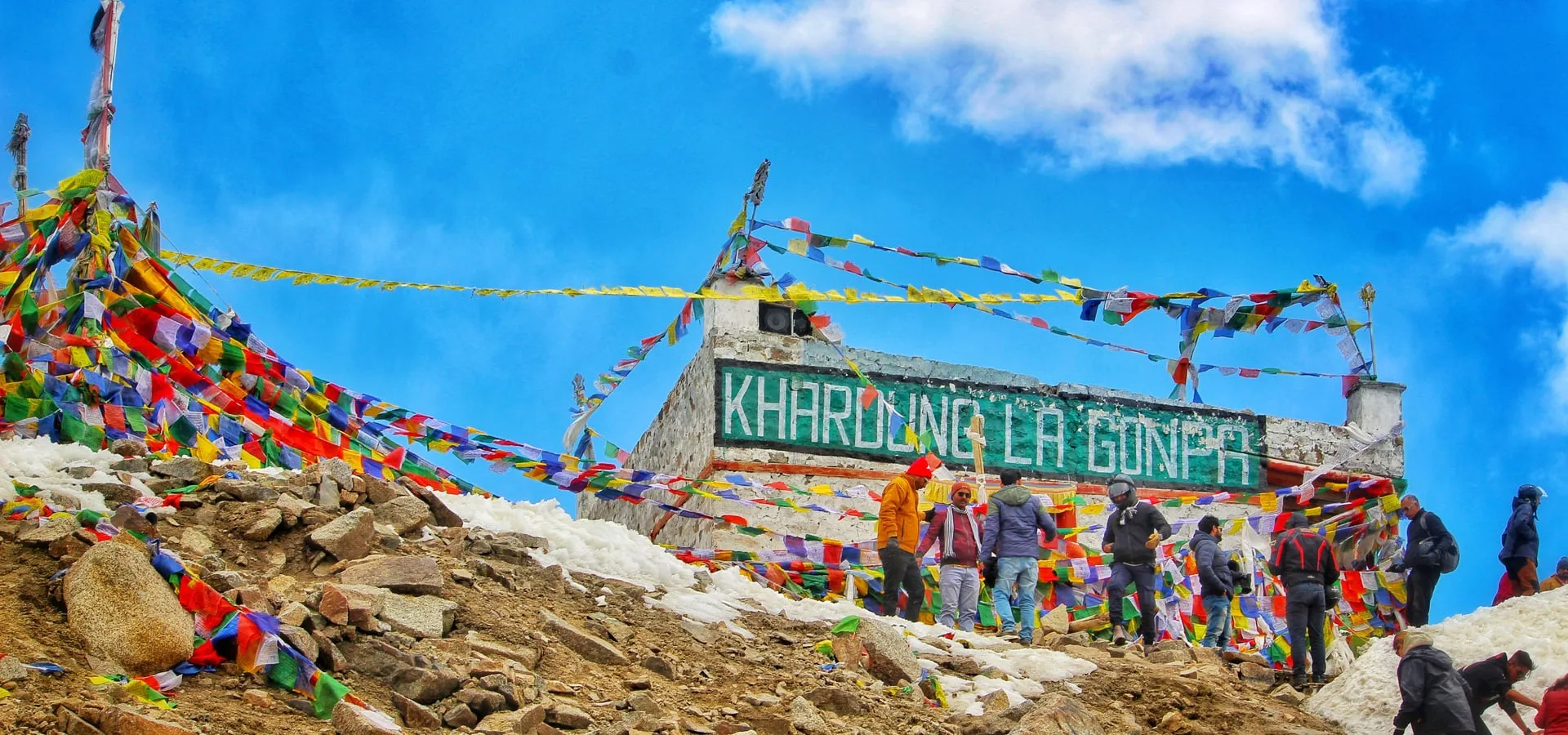 Things To Do
Ladakh vs Kashmir: Which One Should You Visit?
Same state, two different worlds. Compare altitude, scenery, season and who each suits — and why many travellers do both on one trip.
10 July 2026 · 7 min read
Read more →Things To DoLadakh Itinerary for 7 Days: Leh, Nubra & Pangong
A practical, well-paced 7-day Ladakh itinerary that acclimatises you properly and covers Leh's monasteries, Nubra Valley and Pangong Tso.
10 July 2026 · 7 min read
Read more →