
Meghalaya Trip Cost: A Realistic Budget Breakdown
· 6 min read · By Tripsiana Team

A Meghalaya trip costs roughly 21,000 to 34,000 rupees per person for a planned trip of four to ten days, excluding flights to Guwahati. Most people land on a six or seven day trip in the mid-20s, and the single biggest swing is not hotels, it is how many people share the car.
Below is what actually drives that number, where the money goes, and where you can cut without wrecking the trip.
How much does a Meghalaya trip cost?
These are our own current per-person prices on twin sharing, Guwahati to Guwahati, so they are real rather than indicative.
| Trip length | Typical per person | What it covers |
|---|---|---|
| 4 days | from 21,000 | Shillong, Sohra, one root bridge |
| 5 to 6 days | 22,000 to 29,100 | Adds Dawki, Mawlynnong, a full Nongriat day |
| 7 days | 23,900 to 31,600 | Adds Kaziranga, or deeper Khasi and Jaintia routes |
| 8 to 10 days | 29,700 to 34,000 | Adds Jaintia Hills, David Scott Trail, or Arunachal |
Flights are separate and usually the largest single line. Guwahati is well connected, and booking three or four weeks ahead is normally the difference between a comfortable fare and a painful one.
What actually drives the price up or down?
In rough order of impact:
1. Group size. This dominates everything. A private car split between two people costs each of them far more than the same car split between four. Going from a couple to a group of four or six typically drops the per-person price more than any hotel downgrade will.
2. Private car or shared departure. Meghalaya has effectively no usable public transport for a tourist circuit, so a vehicle is not optional. A private car is the single largest controllable cost. A shared group departure is meaningfully cheaper and meaningfully less flexible.
3. Where you sleep. The spread between a clean standard room and a boutique property in Sohra is wide. Note that Sohra and Mawlynnong have genuinely limited good inventory, so in peak season the decision is often made for you by what is left.
4. Kaziranga. Adding the park means extra nights, a longer drive from Guwahati, and safari costs (park entry, a gypsy, a guide). It is a real step up in price, not a small add-on.
5. Season. See below. This moves both price and availability.
6. Distance covered. Garo Hills, Wari Chora and the western frontier mean long drives and more nights. The remote parts of the state are the expensive parts.
Does the season change the price?
Yes, substantially, and in the opposite direction to what most people expect.
November to February is peak. Clear weather, the trekking and caving season, Kaziranga open next door, and festivals stacked through November. Rates are highest and the good Sohra properties sell out early. For New Year, inventory goes months ahead.
June to September is the cheapest time to travel. Fewer people, softer rates, and far more flexibility. The trade-off is real and you should not talk yourself out of it: the Dawki river runs brown, boating is often suspended, river caving is flooded, several treks are closed, and Kaziranga is shut entirely.
October is the value window. The rain stops, the falls are still strong, prices have not yet hit peak, and the state is at its greenest. Kaziranga is still closed until 1 November.
If your dates are flexible and budget matters more than the Dawki photograph, travel in the shoulder.
Is it cheaper to book everything myself?
Sometimes, and it is worth being straight about when.
Self-booking usually wins if you are a group of four or more, you are comfortable negotiating with local drivers, you are travelling in the off season when nothing is scarce, and you are happy to lose a day or two to logistics that do not work out.
A package usually wins if you are two people (car cost is the killer), you are travelling in peak season when the good stays are gone early, you want Kaziranga included, or you want the parts that are genuinely hard to arrange from outside: safari permits and gypsy allocation, village homestays that do not sell online, and a trek guide who knows the Nongriat descent.
What you are actually buying in a package is not a discount. It is the vehicle sorted, the scarce beds held, and somebody to call when a road closes. In a state where landslides are a routine monsoon event, that last one is worth more than it sounds.
What is usually not included?
Read any quote for these, ours included:
- Flights to and from Guwahati
- Lunches and dinners, unless the itinerary says otherwise. Most packages include breakfast only
- Entry fees at individual viewpoints, villages and caves, which are small but numerous
- Camera fees, which apply separately at some sites including Kaziranga
- The Nongriat overnight if you choose to stay at the bottom of the gorge rather than day-tripping it
- Tips for driver and guide
- Anything described as an upgrade or an optional activity
How do I keep the cost down?
- Travel with four. It is the single most effective lever, and it beats every other saving combined.
- Go in the shoulder or the monsoon, and choose an itinerary built for that season rather than one that pretends the closures do not exist.
- Drop Kaziranga if wildlife is not the point of your trip. It adds nights and safari costs.
- Take a shared departure instead of a private car if you can live with fixed timings.
- Eat locally. Khasi food at a village home or in Iewduh market costs very little and is better than the hotel restaurant.
- Base yourself in fewer places. Every extra base means another night and another transfer. Three well-chosen bases beat six.
Is Kaziranga worth adding to a Meghalaya trip?
If you want to see a one-horned rhino, yes, and there is no substitute nearby. But two things decide it.
Timing. Kaziranga is closed to tourists from 31 May to 31 October, with the season running 1 November to 30 April. Commercial sites advertise October safaris; that is an operator claim rather than the official position. If your trip is before November, the decision is made for you.
Cost and time. It is a significant drive from Guwahati and needs at least two nights to be worth doing. Done properly it means a dawn jeep slot at around 5:30 to 6:00am, which is materially better than the afternoon slot.
If wildlife is not what you came for, the same days spent in the Jaintia Hills or on the Nongriat trek will give you a better trip for less.
Getting a real number
Every quote above is a starting point. The actual price depends on your dates, your group size and what you want the trip to be, which is why we build each one by hand rather than selling a fixed departure.
Browse our Meghalaya tour packages to see what sits in each band, check the best time to visit before you fix dates since season moves both price and what is open, and see what fills a week in our 6-day itinerary.
Planning a trip to Meghalaya?
Tell us what you have in mind and a Tripsiana travel expert will craft a custom itinerary, no spam, no pressure.
Explore
Meghalaya packages
from ₹21,000
More reads
 Travel Guides
Meghalaya in December: Cold, Clear and Booked Out by Christmas
The driest, clearest month of the year, and the worst one for waterfalls. What December delivers, what it doesn't, and when you need to book.
5 October 2026 · 7 min read
Read more → Travel Guides
Is Meghalaya Safe? The Real Risks and How to Handle Them
The risks that matter in Meghalaya are physical, not personal: hill roads after dark, monsoon landslides, wet stone steps and deceptively deep water.
5 October 2026 · 8 min read
Read more →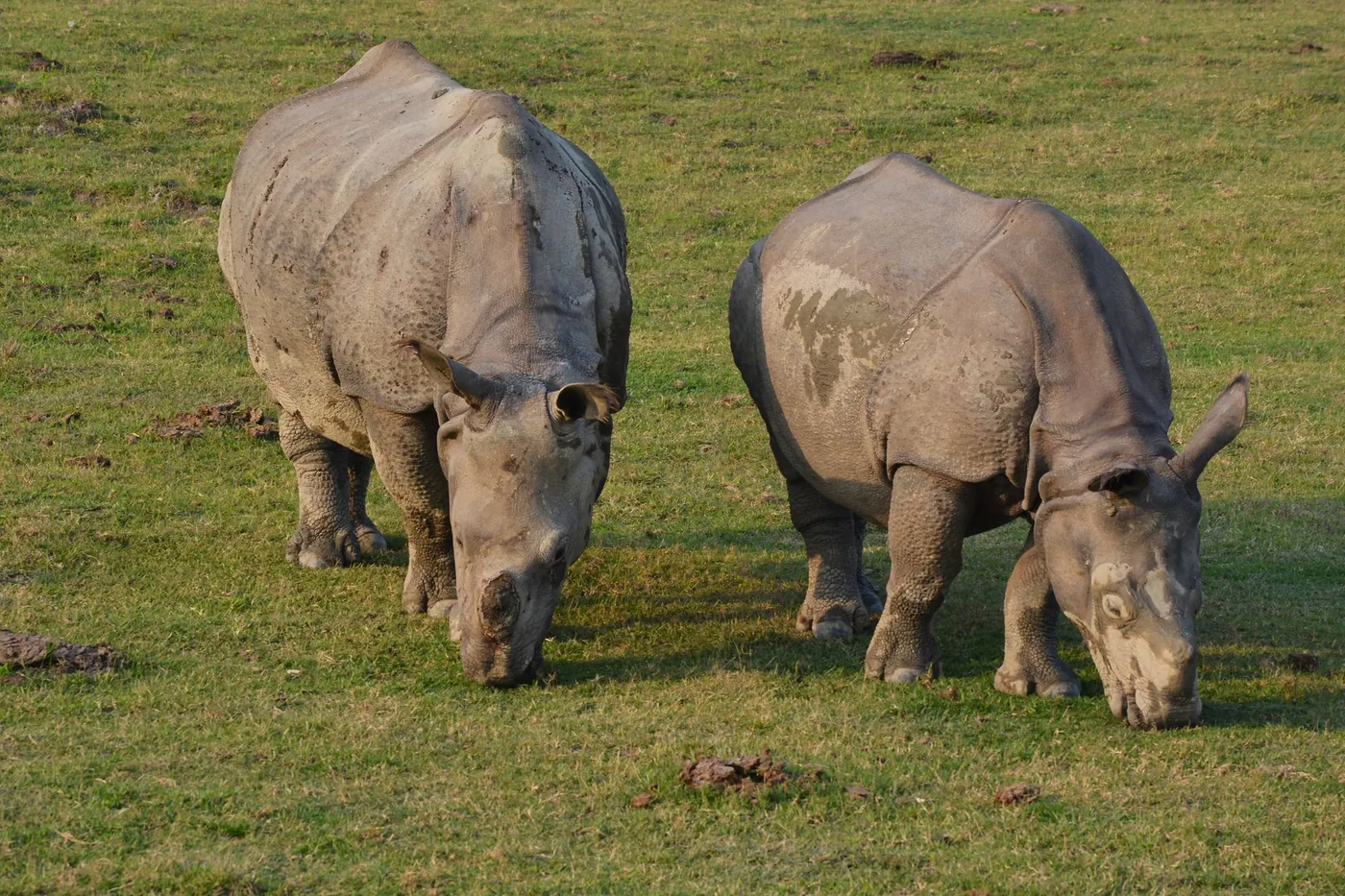 Travel Guides
Kaziranga with Meghalaya: Dates, Safari Slots and How to Fit It In
Kaziranga opens on 1 November and closes on 31 May. When it earns its two days on a Meghalaya trip, which jeep slot to book, and when to leave it out.
5 October 2026 · 7 min read
Read more →