
Living Root Bridges of Meghalaya: Where They Are and How to Reach Them
· 8 min read · By Tripsiana Team
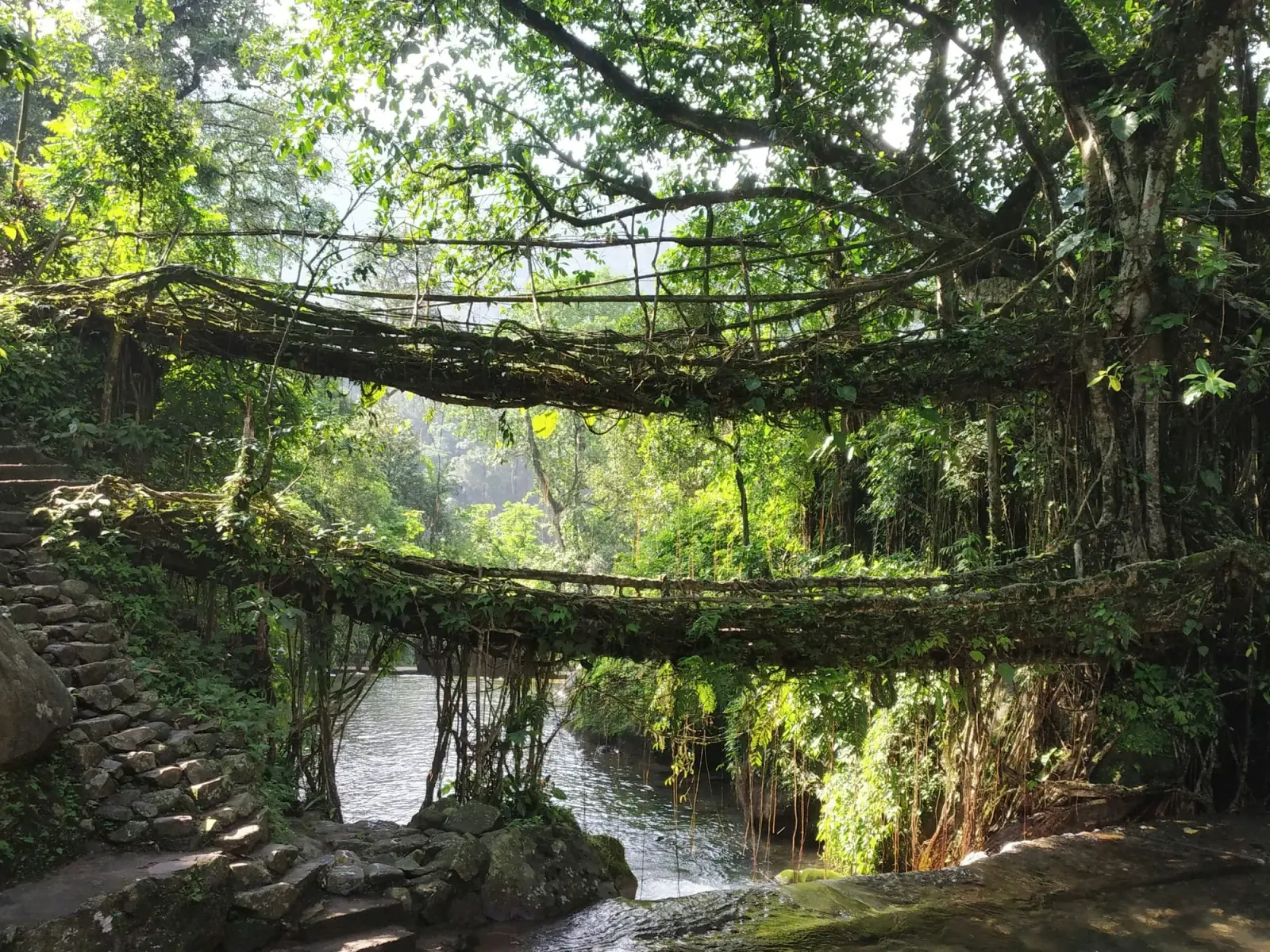
Meghalaya's living root bridges are grown, not built. Khasi and Jaintia communities train the aerial roots of the rubber fig across a stream over decades until the roots thicken into a walkable span. The most famous, the double decker at Nongriat, is commonly held to be around 200 years old, and the tradition itself goes back considerably further.
There are dozens across the state. Most visitors see one or two. This guide covers which ones are worth your time, which are easy to reach, and what the Nongriat trek actually demands, because that last question is where most trip plans go wrong.
What is a living root bridge?
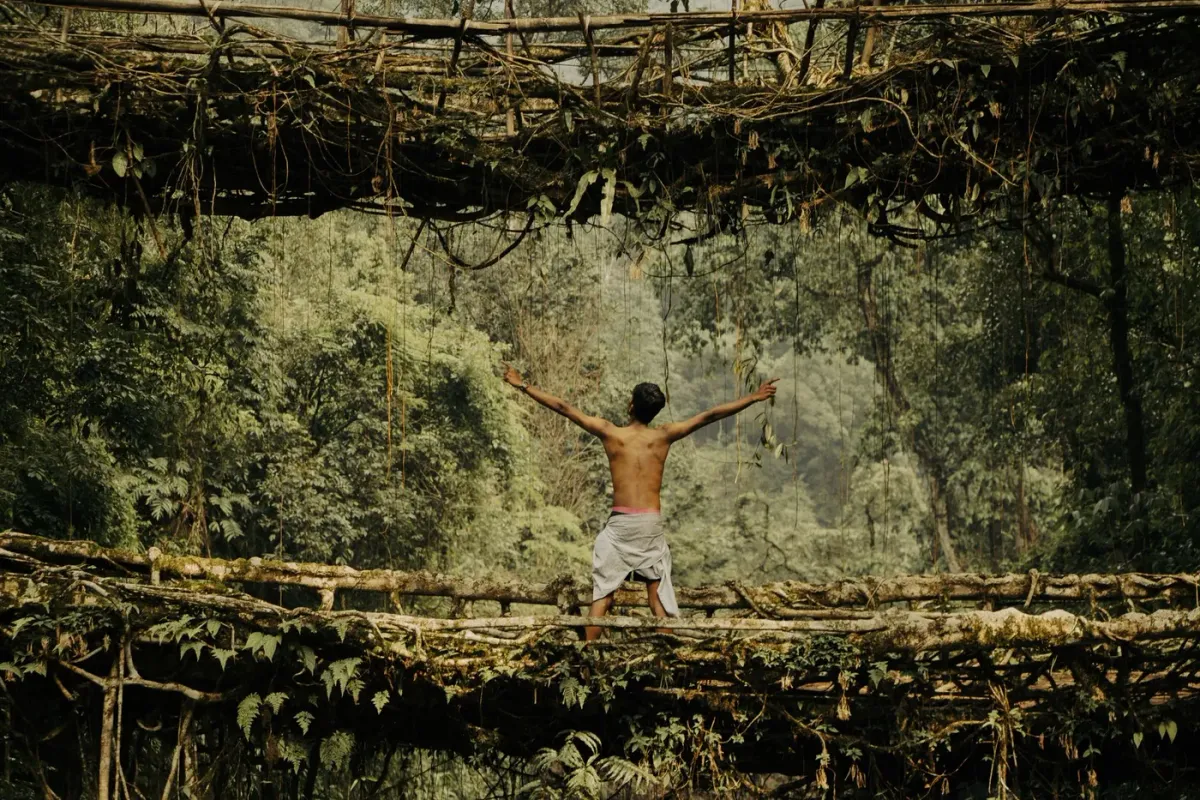
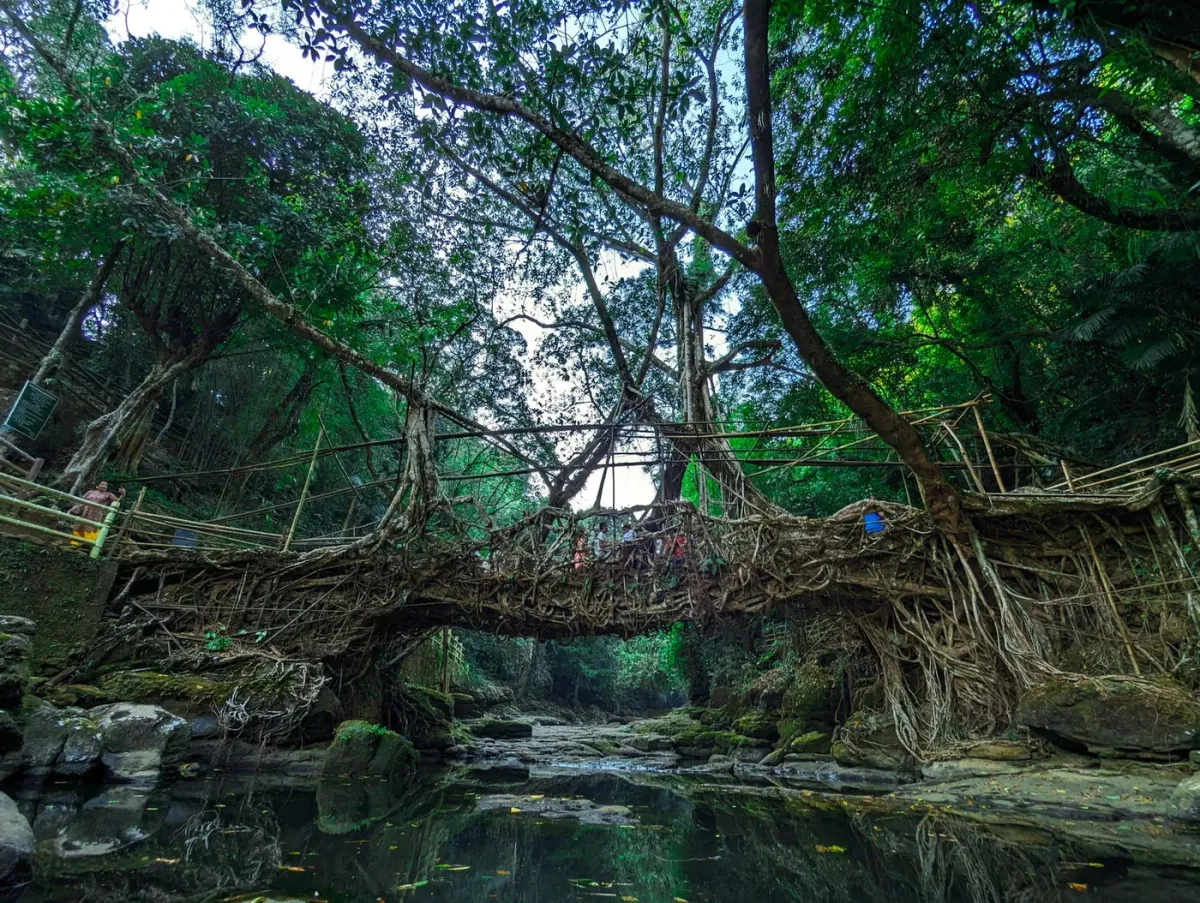
It is a bridge made from the living roots of Ficus elastica, the Indian rubber fig. The tree throws out secondary aerial roots from its trunk. Villagers guide those roots across a stream, traditionally along a hollowed betel trunk, and wait. The roots reach the far bank, take hold, and thicken. Over years the span becomes strong enough to walk on, and unlike a timber bridge it gets stronger with age rather than rotting in the damp.
That matters in a place like this. Meghalaya takes an extraordinary amount of rain, and conventional footbridges in these valleys have a short life. A root bridge that is still growing does not.
These are working village infrastructure, not monuments. People carry firewood and shopping across them daily. Walk single file, do not crowd them for photographs, and give locals right of way.
Which root bridges can you actually visit?
| Bridge | Where | Effort | Who it suits |
|---|---|---|---|
| Riwai root bridge | Next to Mawlynnong | Five minute walk | Everyone, including elderly parents and small children |
| Double decker, Nongriat | Below Tyrna, near Sohra | About 3,500 steps down, then back up | Reasonably fit walkers |
| Single decker, Nongriat | On the same trail | Passed on the way down | Anyone already doing the trek |
| Ummunoi and Umkar | Sohra area | Short to moderate | Quieter alternatives to Nongriat |
| Rangthylliang | Pynursla area | Long, steep, little traffic | People who want them to themselves |
If you only have time for one and you are not confident on stairs, go to Riwai. It is a genuine living root bridge, it is beautiful, and it sits beside Mawlynnong, so the day works regardless. Nobody needs to suffer to see one.
The Nongriat double decker trek, honestly
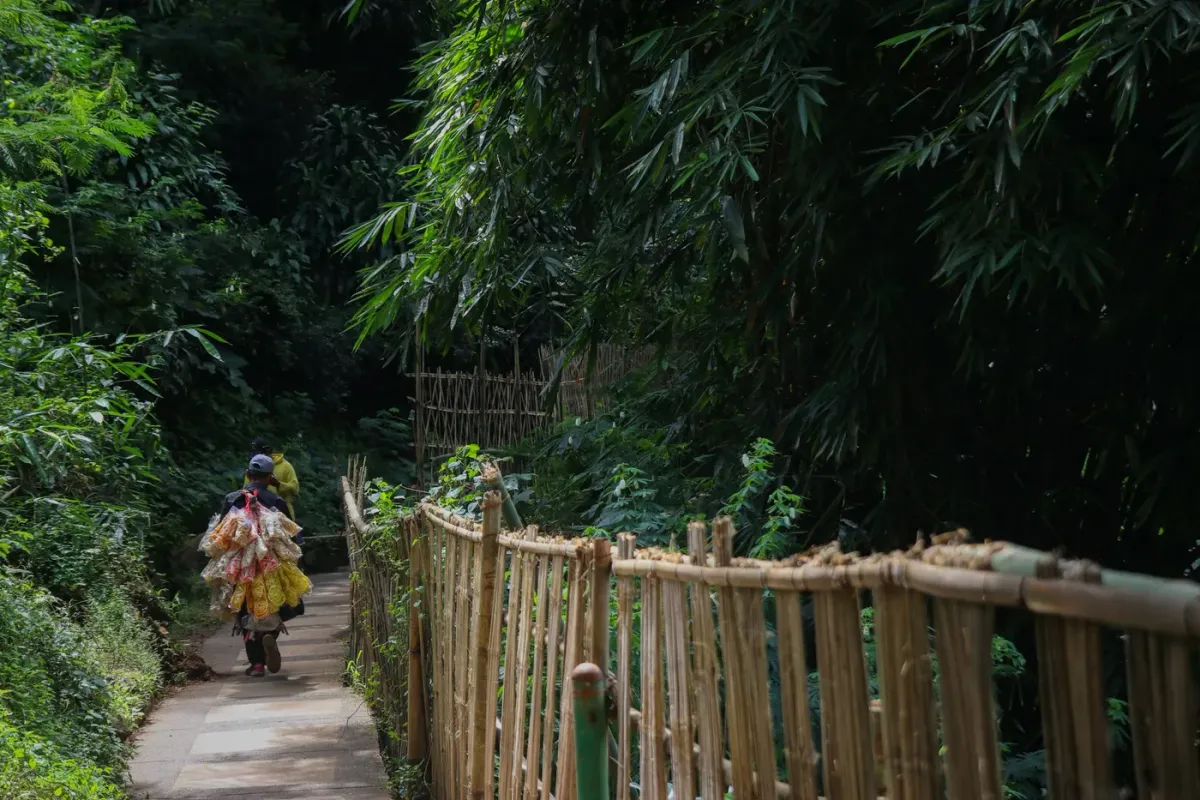
This is the one people come for, and it is the one most underestimated. The trail starts at Tyrna village, about forty minutes from Sohra (Cherrapunji), and drops steeply into the valley on concrete steps. The usual figure is around 3,500 steps down.
Going down takes most people two to three hours. Coming back up takes three to four, and it is the climb rather than the descent that defines the day. There is no shortcut, no road, and no vehicle at the bottom. Whatever you walk down, you walk back up.
What makes it harder than the step count suggests:
- The descent punishes knees more than the climb punishes lungs. If you have knee trouble, this is the problem, not fitness. Trekking poles help significantly.
- Humidity. Even in cool months the valley is close and damp. You will sweat more than the temperature suggests.
- Wet steps in monsoon. Between June and September the concrete gets slippery and the two steel suspension bridges on the route sway over fast water.
- Leeches after rain. Common on the vegetated stretches in monsoon. Not dangerous, but better to know about before you meet one.
If you would rather not rush it, staying the night at Nongriat changes the trip completely. The day-trippers leave by mid afternoon and you get the bridge at dusk and again at dawn with nobody on it. Our Root Bridge Country itinerary builds in two nights in the valley for exactly that reason.
How to reach the root bridges
From Guwahati. Guwahati is the arrival airport for almost everyone. It is roughly three to three and a half hours to Shillong, then another two hours or so to Sohra. Nobody sensibly does Guwahati to Nongriat and back in a day. Break it at Shillong or Sohra.
From Shillong. Around two hours to Sohra, then forty minutes on to Tyrna where the trek begins. Leaving Shillong by 6am gives you a comfortable day. Leaving at 9am means climbing out in the afternoon heat.
From Cherrapunji (Sohra). This is the sensible base. Tyrna is about forty minutes away, which means you can start the descent early and be back before the light goes. If Nongriat is a priority, sleep in Sohra rather than Shillong.
For Riwai. It sits beside Mawlynnong, roughly three hours from Shillong, and pairs naturally with Dawki and the Umngot river on the same day.
When to go
October to April is the straightforward answer for the trek. Trails are dry, steps have grip, and the valley is comfortable to walk in. November through February gives the clearest conditions of the year.
June to September is the monsoon. The forest is at its most dramatic, Rainbow Falls beyond Nongriat actually runs, and everything is impossibly green. It is also slippery, leech-prone and unpredictable. Plenty of people do it and enjoy it. Just choose it deliberately rather than by accident.
There is more detail on the seasonal trade-off in our best time to visit Meghalaya guide.
Fitting root bridges into a trip
A root bridge is a half day to a full day depending on which one. Most people build it into a five to seven day Meghalaya trip alongside Sohra's waterfalls, Dawki and Shillong.
If the double decker is the reason you are coming, say so when you plan, because it changes where you sleep. Our four day Mystic Nongriat trip starts at 21,000 rupees per person and is built around the trek. For a fuller route, the Meghalaya itinerary guide shows how the days fit together, and Meghalaya trip cost covers what the whole thing comes to.
One last thing. The double decker is remarkable, but it is not the only one, and on a busy day it is not the quietest. If solitude matters more to you than the famous photograph, ask about Rangthylliang or the Umkar bridges instead.
Planning a trip to Meghalaya?
Tell us what you have in mind and a Tripsiana travel expert will craft a custom itinerary, no spam, no pressure.
Explore
Meghalaya packages
from ₹21,000
More reads
 Things To Do
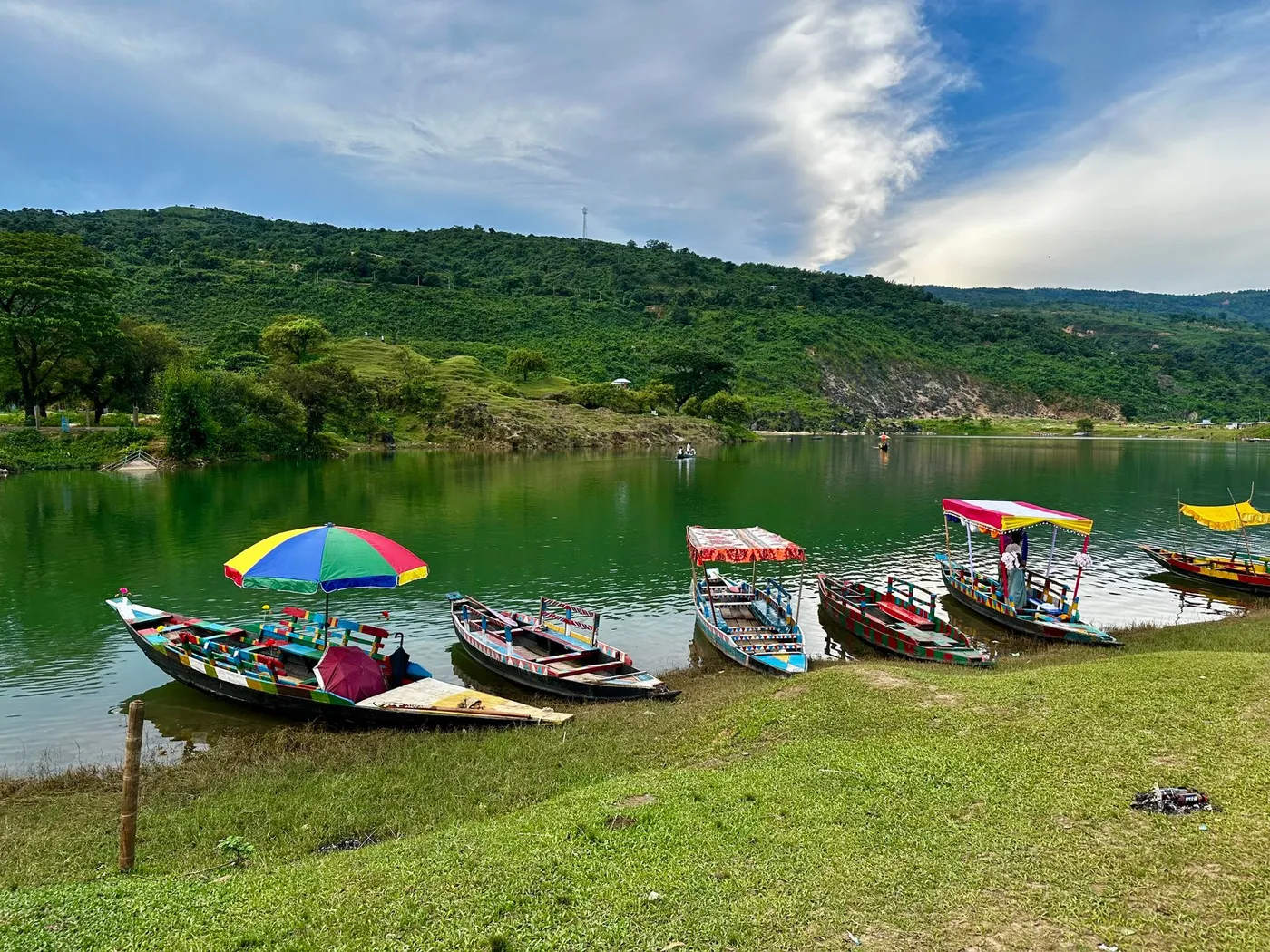
Meghalaya in December: Cold, Clear and Booked Out by Christmas
The driest, clearest month of the year, and the worst one for waterfalls. What December delivers, what it doesn't, and when you need to book.
5 October 2026 · 7 min read
Read more →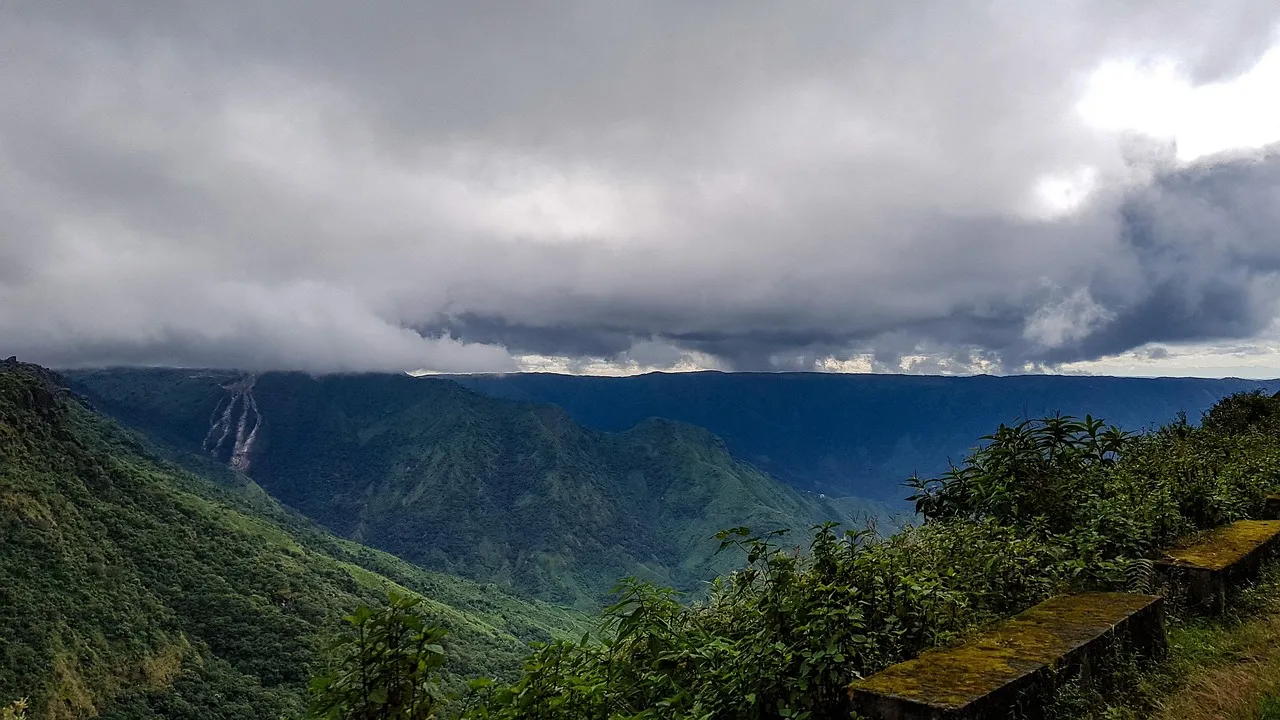 Things To Do
Is Meghalaya Safe? The Real Risks and How to Handle Them
The risks that matter in Meghalaya are physical, not personal: hill roads after dark, monsoon landslides, wet stone steps and deceptively deep water.
5 October 2026 · 8 min read
Read more →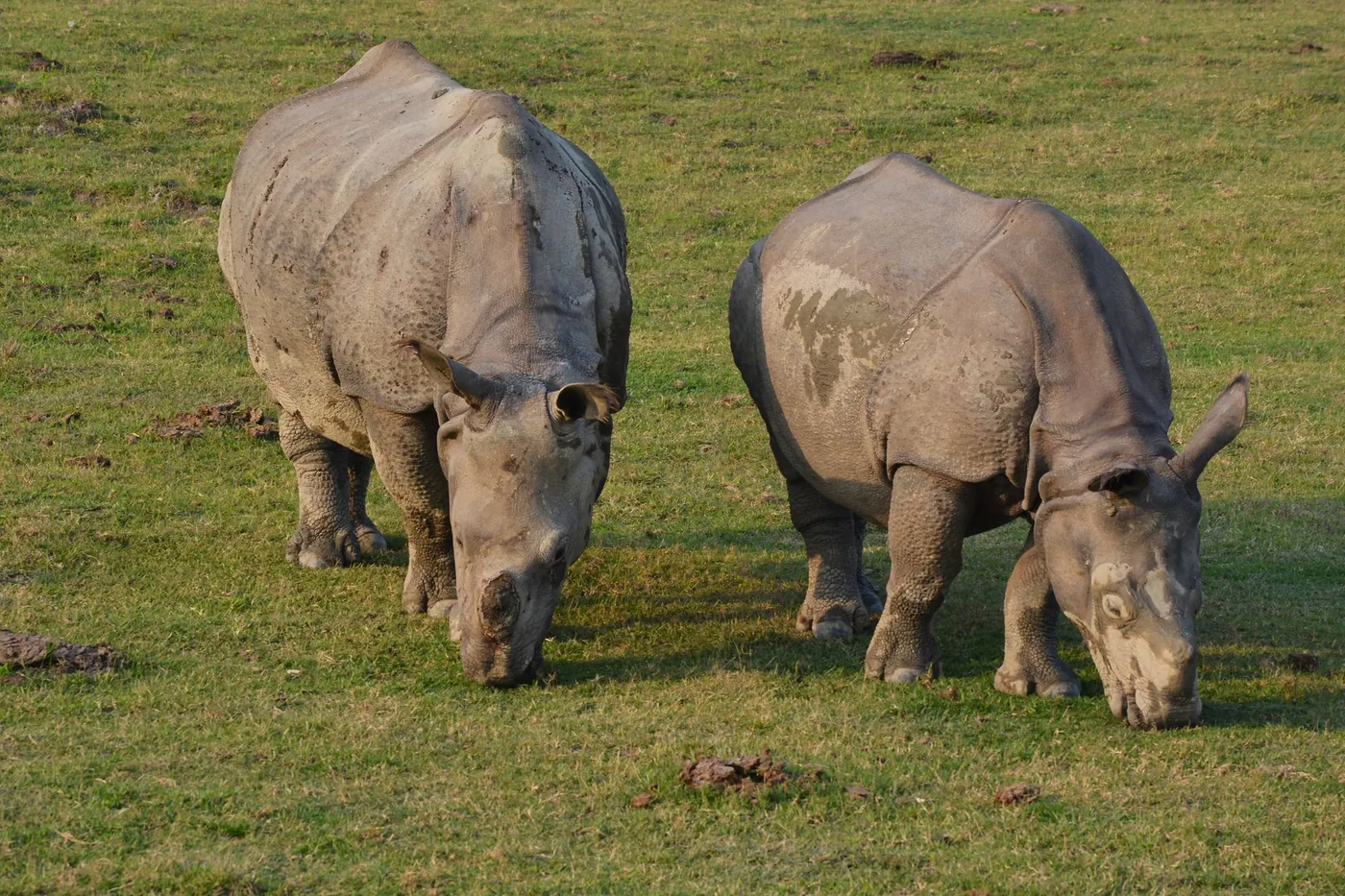 Things To Do
Kaziranga with Meghalaya: Dates, Safari Slots and How to Fit It In
Kaziranga opens on 1 November and closes on 31 May. When it earns its two days on a Meghalaya trip, which jeep slot to book, and when to leave it out.
5 October 2026 · 7 min read
Read more →