
15 Best Things to Do in Meghalaya
· 7 min read · By Tripsiana Team
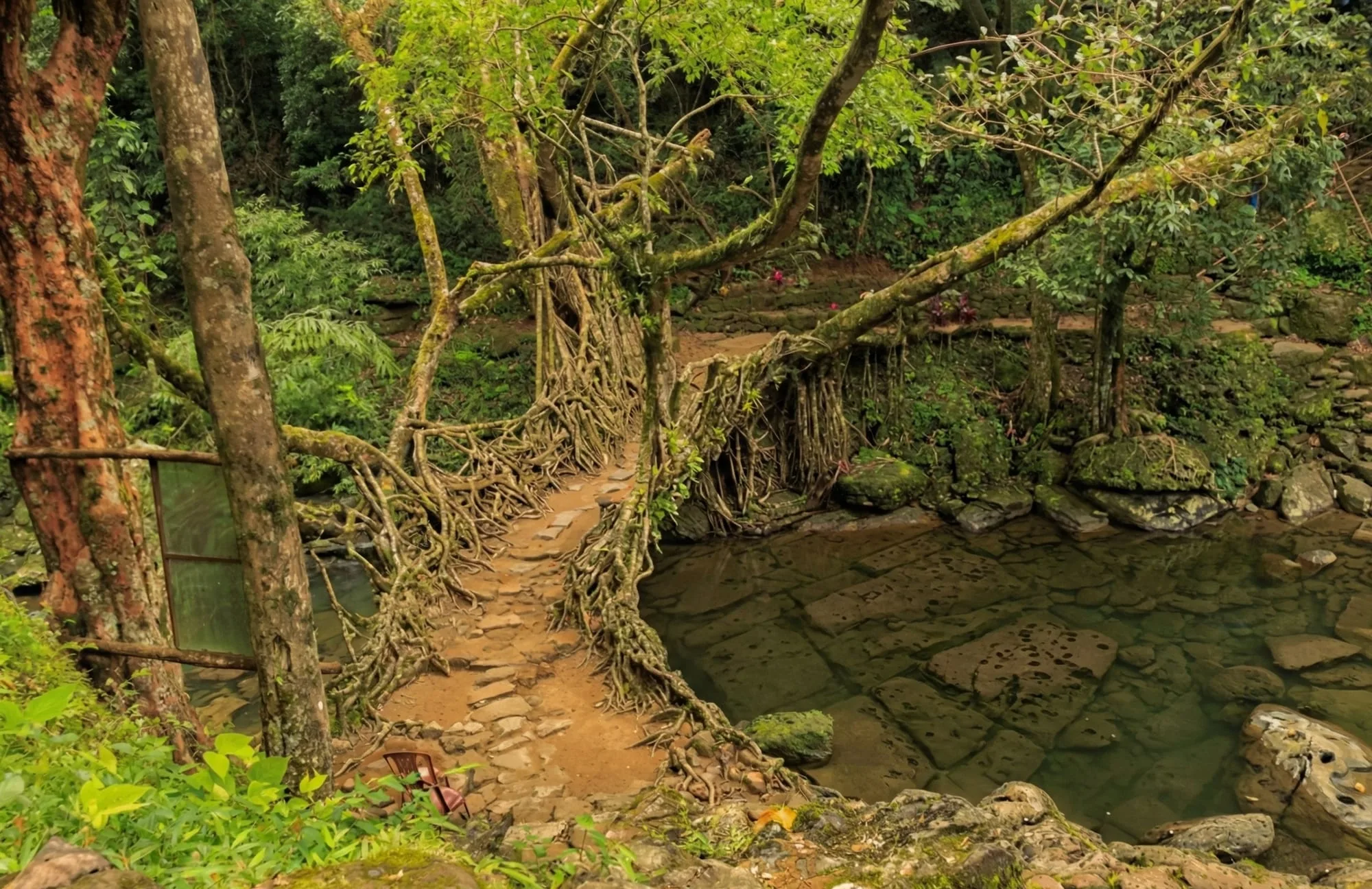
Meghalaya packs more into a small state than almost anywhere in India: bridges grown from living tree roots, a river so clear the boats look airborne, the wettest place on earth, and Asia's largest collection of standing stones. The catch is that roughly half of this list is seasonal, and most itineraries quietly send you to things that are shut, flooded or dry when you arrive.
Here is what is actually worth doing, what it is like, and when each one works.
What are the best things to do in Meghalaya?
| Experience | Where | Best season | Effort |
|---|---|---|---|
| Double-decker living root bridge | Nongriat, near Sohra | Oct to Feb | Hard, 3,500 steps |
| Umngot river boat ride | Dawki | Nov to Mar | Easy |
| Nohkalikai Falls | Sohra (Cherrapunji) | Jun to Oct | Easy |
| Caving at Arwah or Mawsmai | Sohra | Nov to Mar | Easy to moderate |
| Laitlum Canyon at sunset | Near Shillong | Oct to Feb | Easy |
| Krang Suri Falls | Jaintia Hills | Nov to Feb | Moderate |
| Mawphlang Sacred Grove | Near Shillong | Year round | Easy |
| Nongjrong sunrise | Jaintia Hills | Nov to Feb | Early start, easy walk |
| David Scott Trail | Mawphlang to Ladmawphlang | Oct to Feb | Moderate, 16 km |
| Shillong live music | Shillong | Year round | Easy |
What is the living root bridge trek actually like?
This is the thing people come for, and it is genuinely harder than the photos suggest.
The famous double-decker bridge at Nongriat sits at the bottom of a gorge below Tyrna village. It is roughly 3,500 steps down and the same back up, two to three hours descending and three to four climbing out. It is not a walk. If you have knee trouble, be honest with yourself before you start.
Start at 6:30 to 7:00am. People who start late climb out in the afternoon heat or rain, exhausted, and it ruins the day. Carry water, and in monsoon carry leech socks.
Most people turn around at the double-decker. Rainbow Falls is another hour beyond it, and it is the better sight. If you are fit, going on is the difference between seeing what everyone photographs and seeing what almost nobody does.
The bridges themselves are not a monument. They are living engineering, grown over 15 to 30 years by Khasi families who still train and maintain them. Meeting one of those families is worth more than the photograph.
Not up for the descent? The single-decker bridge at Riwai, near Mawlynnong, is a five-minute walk from the road and shows you the same idea without the gorge.
Is the Dawki river really that clear?
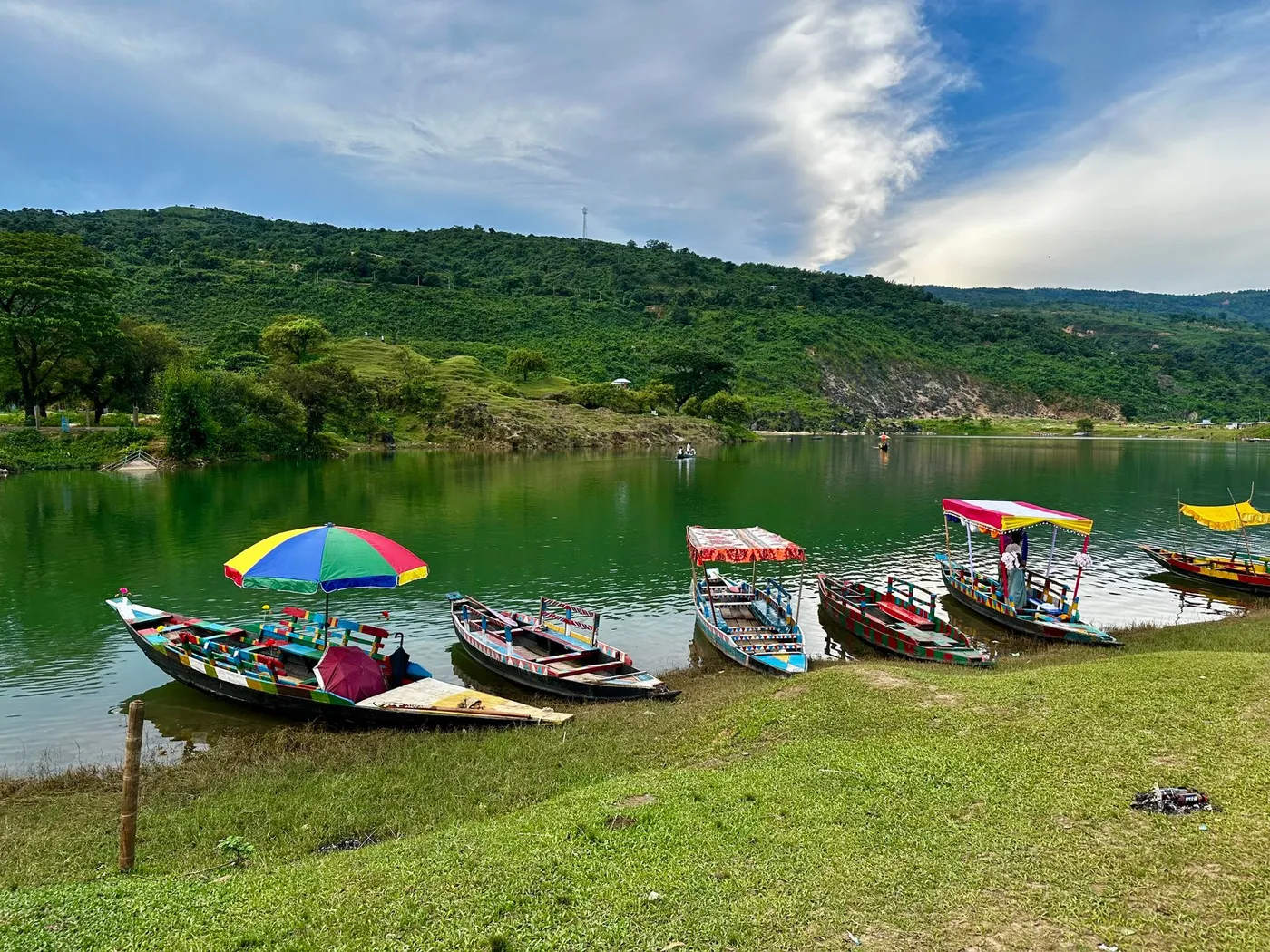
Sometimes. The Umngot at Dawki is famous for water so transparent that boats appear to float on air, and it is real, but only when the catchment is dry.
November to March is reliable, with January and February strongest. From roughly May through September the river runs high and brown, and boating is often suspended entirely at high water. October clears as the rain stops.
Go at 6:30 to 7:00am. Day-trip buses arrive around 10am, and by then both the light and the stillness are gone.
Nearby, Shnongpdeng is the better base if you want to be on the water rather than just photographing it: kayaking, cliff jumping, zip lines and riverside camping. The camps are struck for the monsoon and rebuilt afterwards, so this is a November to April proposition.
Which waterfalls are worth the stop?
Meghalaya has too many waterfalls to see them all, and they invert with the season: they are at their most powerful exactly when the river is least clear.
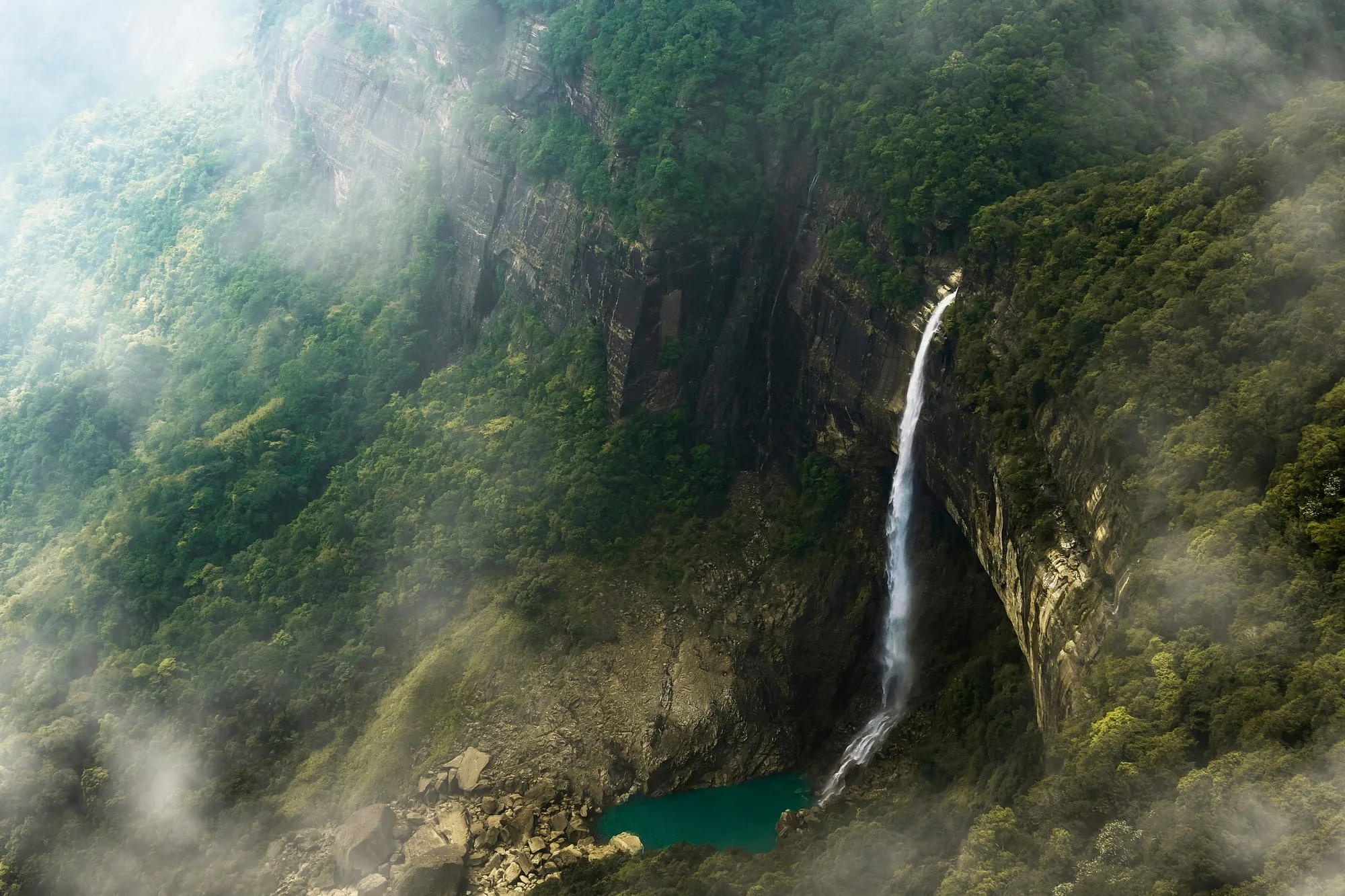
- Nohkalikai Falls, India's tallest plunge waterfall, is the signature. Go in the morning, before the valley fogs in. In winter it thins but the plunge pool turns an unreal turquoise.
- Seven Sisters (Nohsngithiang) is only a true seven-strand waterfall in monsoon. Go late afternoon for face-on light across the Bangladesh plains. In midwinter it can be close to dry.
- Krang Suri in the Jaintia Hills is the one to swim in, and the pool is only genuinely swimmable in the dry months. Before 10am if you want it to yourself.
- Wei Sawdong, a three-tier fall reached by a steep bamboo ladder. The ladder is the limiting factor: skip it in heavy rain.
What are the caves like?
Meghalaya sits on one of the largest cave systems in the subcontinent, and caves are your weather-independent asset. When rain kills the viewpoints, caves still work.
Mawsmai is lit, short and busy, fine for anyone. Arwah is quieter and has visible fossils in the rock. Both are easy.
The serious river caves, including Krem Puri, are a different proposition: they flood in the monsoon and are strictly a November to March activity. Do not let anyone sell you river caving in July.
What is there to see beyond the standard circuit?
Almost every operator sells the same loop: Shillong, Sohra, Dawki, Mawlynnong. These are the ones they skip.
Jaintia Hills, east of Shillong, is the Meghalaya nobody talks about. Nartiang holds Asia's largest collection of monoliths, standing stones raised over centuries. Nongjrong gives you a sunrise above a cloud inversion that rivals anything in the Northeast, but you have to leave Shillong by 3:00am and it only works from about November to February.
Kongthong, the whistling village, is the one that stops people. Every person there is given a hummed melody as their name, used instead of a spoken name across the valley. It is not a performance for tourists, it is how the village works.
Mawphlang Sacred Grove is a protected forest governed by a simple law: you may take nothing out of it, not even a dead leaf. It is at its best in the morning mist.
West Khasi and Garo Hills are the deep frontier: Nongkhnum island camping, Wari Chora canyon, Siju cave. Almost nobody sells these well. They are also firmly dry-season only.
What should I eat in Meghalaya?
Khasi food is one of the most under-sold parts of the state, and hotel restaurants will not give it to you.
Look for jadoh (rice cooked with pork and blood, the signature dish), dohkhlieh (a pork salad with onion and chilli), tungrymbai (fermented soybean), pumaloi (steamed powdered rice), and smoked pork with bamboo shoot. Tungtap, a fermented fish chutney, appears alongside most meals.
Drink Khasi red tea, and if offered, kiad, the local rice spirit. Sohra produces excellent orange-blossom honey, plus cinnamon and bay leaf.
A proper Khasi thali eaten in a village home rather than a restaurant is a better memory than most of the viewpoints. Iewduh market in Shillong is the place to understand the food before you eat it.
What can I do in Meghalaya when it rains?
In a state this wet, a rain plan is not optional. Ours, in order:
- Caves. Completely weather-independent.
- Don Bosco Centre for Indigenous Cultures, Shillong. A genuinely excellent seven-floor museum of Northeast tribal life with a rooftop skywalk. The single best wet-day asset in the state.
- Iewduh market and Shillong's cafes.
- Waterfalls, which are at their most dramatic in exactly the weather that ruins everything else.
What is there to do in Shillong in the evening?
Shillong is the live-music capital of the Northeast, and it is the most consistently overlooked thing in the state. Khasi-language rock and blues, mostly Friday and Saturday evenings, in small venues and cafes.
Build one evening around it instead of leaving guests in a hotel. Ten minutes off the highway, Umiam Lake at sunset is the other thing most itineraries drive straight past.
How many days do I need in Meghalaya?
| Days | What fits |
|---|---|
| 4 to 5 | Shillong, Sohra and the waterfalls, one root bridge. Rushed but real. |
| 6 to 7 | The above plus Dawki, Mawlynnong and a proper Nongriat day. The sweet spot. |
| 8 to 10 | Adds Jaintia Hills, Kongthong, or Kaziranga next door in Assam. |
| 12+ | Garo Hills and the western frontier, or an Arunachal extension. |
Six to seven days is what most people should plan for. Fewer than that and you spend the trip in a car.
It helps to arrive knowing that Khasi society is matrilineal. Lineage and property pass through the youngest daughter. Understanding that reframes almost everything you see about how villages and families work.
Planning your trip
If you tell us what you actually want out of Meghalaya, we build the route around it rather than running the same loop as everyone else. Browse our Meghalaya tour packages, or start with the 6-day Meghalaya itinerary.
Timing matters more here than almost anywhere, so read the best time to visit Meghalaya before you fix dates, and check real numbers in the Meghalaya trip cost breakdown. For the two headline sights, see the living root bridges guide and the Dawki and Umngot river guide.
Planning a trip to Meghalaya?
Tell us what you have in mind and a Tripsiana travel expert will craft a custom itinerary, no spam, no pressure.
Explore
Meghalaya packages
from ₹21,000
More reads
 Things To Do
Meghalaya in December: Cold, Clear and Booked Out by Christmas
The driest, clearest month of the year, and the worst one for waterfalls. What December delivers, what it doesn't, and when you need to book.
5 October 2026 · 7 min read
Read more →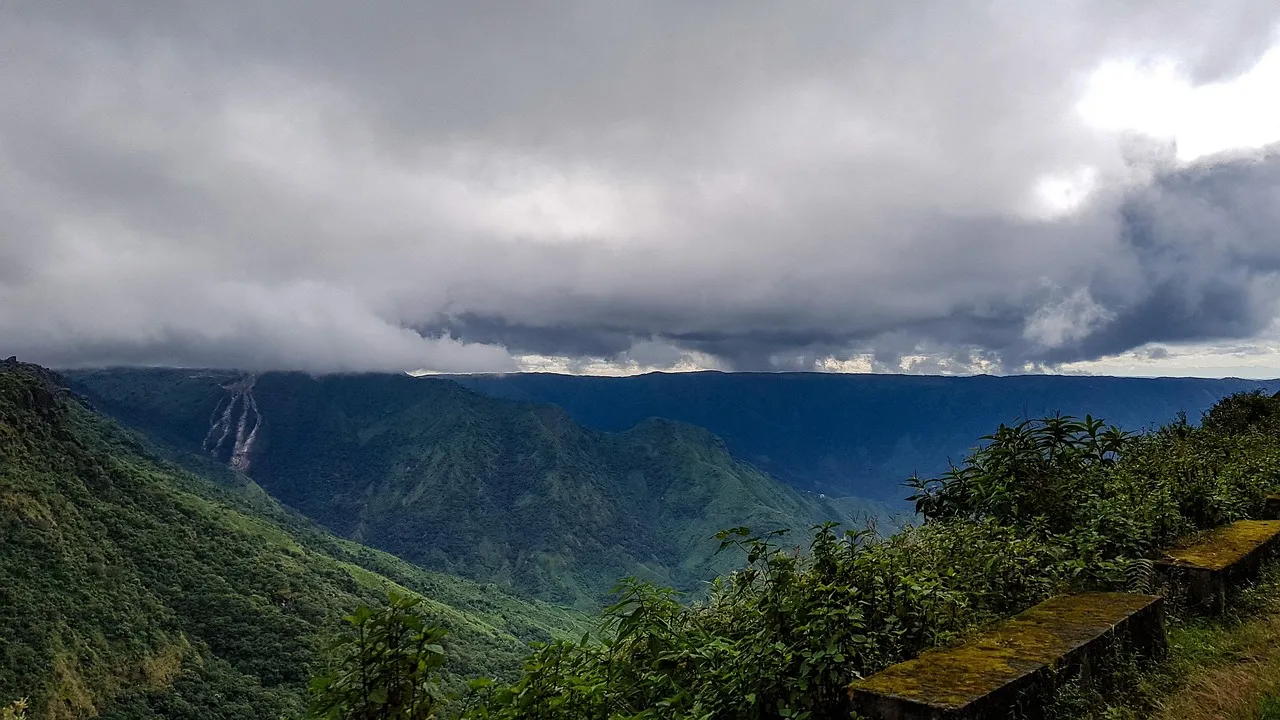 Things To Do
Is Meghalaya Safe? The Real Risks and How to Handle Them
The risks that matter in Meghalaya are physical, not personal: hill roads after dark, monsoon landslides, wet stone steps and deceptively deep water.
5 October 2026 · 8 min read
Read more →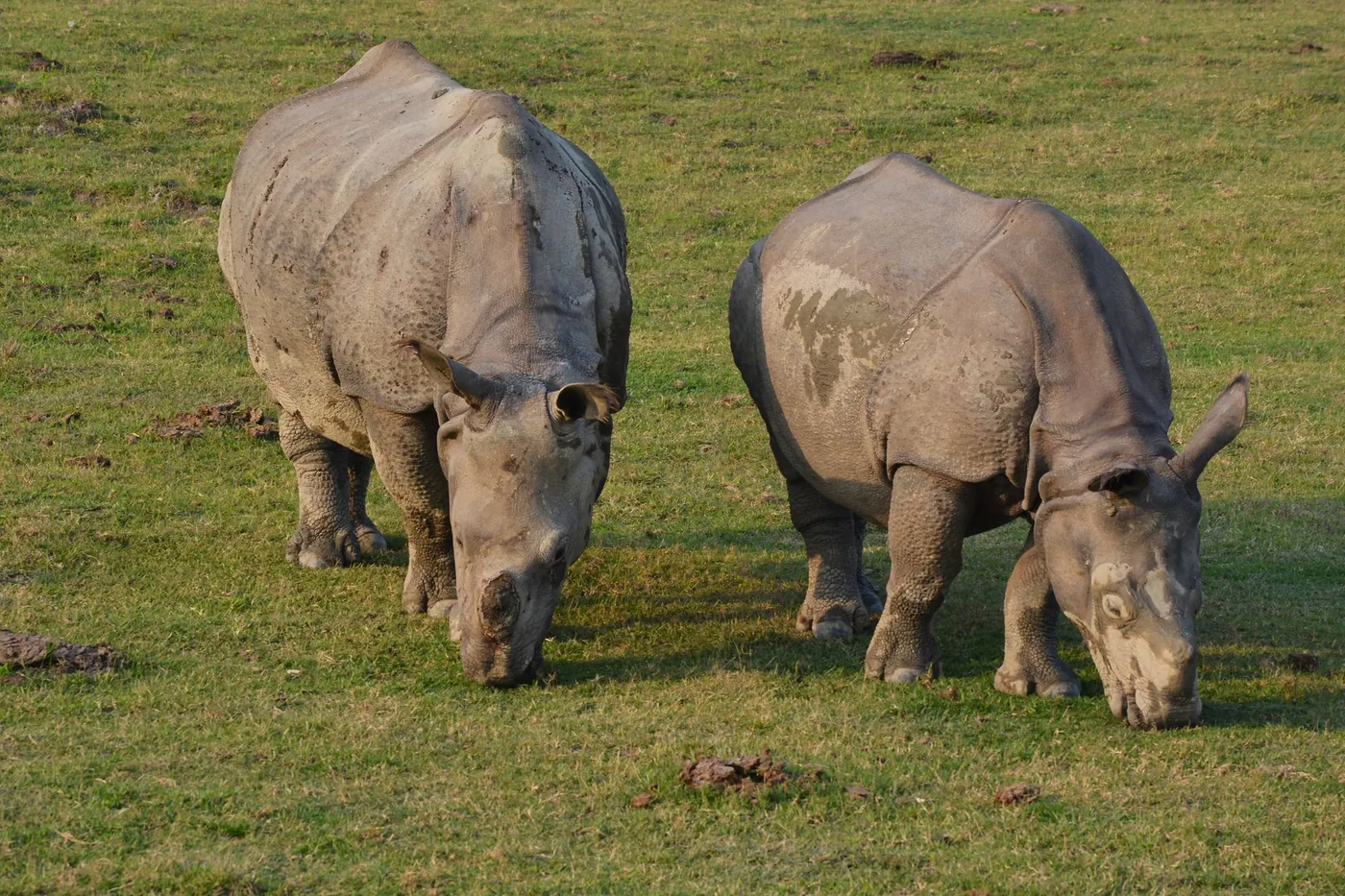 Things To Do
Kaziranga with Meghalaya: Dates, Safari Slots and How to Fit It In
Kaziranga opens on 1 November and closes on 31 May. When it earns its two days on a Meghalaya trip, which jeep slot to book, and when to leave it out.
5 October 2026 · 7 min read
Read more →